



We asked Kumamoto Prefecture Governor Takashi Kimura about the government’s outlook regarding the initiatives for collaboration among industry, academia, government, and finance under the catchphrase “Manga Prefecture Kumamoto.”
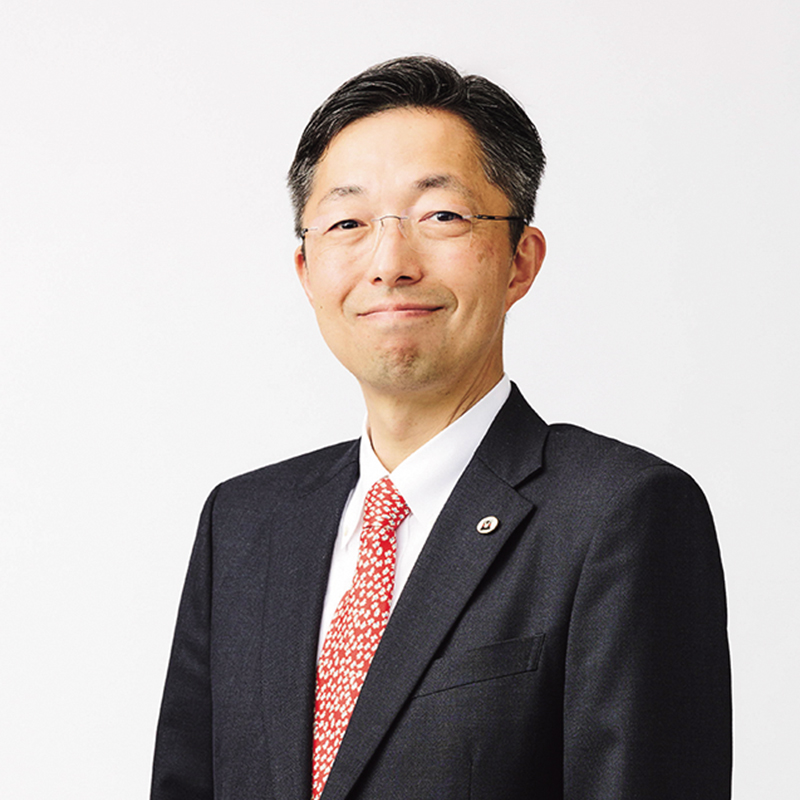
Kumamoto Prefecture Governor Takashi Kimura
Takashi Kimura / Born in 1974. In 1999, he graduated from the Faculty of Law at the University of Tokyo and joined the Ministry of Home Affairs (currently the Ministry of Internal Affairs and Communications). From 2012 to 2016, he was seconded to the Kumamoto Prefectural Government. In 2020, he assumed the position of Vice Governor of Kumamoto Prefecture. He has served in his current position since 2024.
Manga culture will become the pride of Kumamoto. That is what we are aiming for.
——Could you tell us what Kumamoto Prefecture currently envisions as “Manga Prefecture Kumamoto”?
Manga and anime possess the power to energize people across generations and regions, as well as the power to create new forms of tourism, such as the so-called “Seichi Junrei” (pilgrimages to sacred sites). We believe that by collaborating with works connected to our prefecture, we can lead to an expansion of the visiting population and the revitalization of our regions.
In our prefecture as well, initiatives are progressing in collaboration with manga and anime works that have ties to the prefecture, whether through their authors or as the setting of the story. We feel that such initiatives realize experiences, events, and sales of collaborative merchandise that are unique to Kumamoto, growing into one of the major contents of our prefecture’s tourism and becoming a source of regional pride.
Also, in 2021, the “Kumamoto Manga Council,” composed of industry, government, academia, and finance, was established. Efforts to expand the scope of manga utilization are underway, such as creating systems to match manga artists and illustrators living in the prefecture with local businesses.
Furthermore, the environment for human resource development and learning manga as a culture is being established: the International Manga Research and Education Center opened at Kumamoto University in 2022; a Manga Department was established at Takamori High School in 2023 (a nationwide first for a public high school); and a Voice Acting Course opened at Heisei College of Music.
As these initiatives progress, the value of manga itself improves, and the activities of diverse groups utilizing manga become vigorous. From a governmental standpoint, my image of “Manga Prefecture Kumamoto” is one where manga culture becomes a source of regional pride through the dissemination of Kumamoto’s charm via manga.
——Could you tell us what vision you are currently depicting for “Manga Prefecture Kumamoto”? We would appreciate hearing about Kumamoto Prefecture’s concept of what it aims to be in the future.
Our goal is that as initiatives by diverse people expand, various environments are established, and the consciousness of those accepting visitors evolves, Kumamoto will be chosen by domestic and international manga fans and creators as the prefecture they “want to visit,” “want to live in,” and “want to learn in.”
Particularly regarding the recent challenge of the outflow of young people, we feel that undertaking initiatives linked with manga and anime—which garner high interest from the youth—leads to the discovery of new regional charms that even locals had not noticed, serving as one of the motivations for settlement or “U-turn” migration (returning to one’s hometown).
We are also convinced that when the region gets proactively involved and fuses the worldview of a work with local resources, it connects to a deeper tourism experience and regional appeal.
By organically linking regional resources, tourism, education, and human resource development around the axis of manga, we will create cultural value unique to Kumamoto and realize a sustainable vision that becomes a source of pride for the prefecture’s residents.
——Thank you. Could you tell us specifically what Kumamoto Prefecture is working on to realize these goals?
First is the refinement of “tourism content,” as mentioned at the beginning. In collaboration with specific works, we have been building mechanisms to encourage tours around the region, such as developing apps for stamp rallies and AR (Augmented Reality), holding events, and creating taxi plans and bus tours in cooperation with local transportation providers.
We have also advanced initiatives unique to Kumamoto, such as attracting official events, promotional cooperation with voice actors, and the production of collaborative illustrations.
While these collaborative initiatives with manga and anime are gradually spreading across various parts of the prefecture, the understanding and cooperation of not only the original authors and the publishers managing the copyrights, but also local municipalities, businesses, and educational institutions are extremely important to expand them further.
Based on our track record of building trust with original authors and publishers, the prefecture shares examples and know-how of these initiatives with local municipalities and businesses. By backing regional efforts, we have fostered an atmosphere where the region works together as one.
In addition to discovering and utilizing manga and anime connected to the prefecture, we are deepening collaboration with publishers to leverage the characteristics of various local areas. We are also engaged in attraction activities to create new works set in these locations, aiming to deploy measures that lead to regional revitalization.
Happily, we have recently started receiving proposals for collaboration from the creative side. The prefecture views this momentum as a tailwind and will continue to maximize the power of manga and anime to create vitality in Kumamoto and promote “Manga Prefecture Kumamoto.”