


Packed tightly with peace of mind and beauty. From Kumamoto, a “thoughtful soap” that soothes the soul.
Handcrafting soap from natural ingredients over a period of two months. The reason Ms. Nozomi Toyoda began such a labor-intensive task was her desire to allow her daughter, who has sensitive skin, to use safe soap with peace of mind. We bring you a wonderful story from “Ladybug,” a small atelier in South Aso.
I want you to use something that is good for your skin.
The first thing that captivated Ms. Toyoda, who moved here from Fukuoka when she got married, was the clean water of Aso. As she wondered if she could do something using this water, what led her to proceed to soap making was her daughter’s skin allergies. Determined to “make a soap myself that I can let my own child use with peace of mind,” she completed a simple soap made only from Aso water and high-quality natural oils and fats in 2006.
With a smooth washing sensation, “Ladybug” soap leaves your skin feeling moist even before you apply after-bath cream, and your skin becomes plump with continued use. It makes your daily bath enjoyable. The secret of this soap, which contains plenty of high-quality beauty ingredients and is highly recommended especially for adults, lies in its production method.
The production method, which involves a long process of just under two months, is the one Ms. Toyoda chose for the sake of her daughter. However, eventually thinking that there might be others who would be happy with this soap, she began full-scale development and sales. This gentle soap, which began for the sake of just one person, has formed connections with various lands across Japan, and has become infused with literally colorful stories.
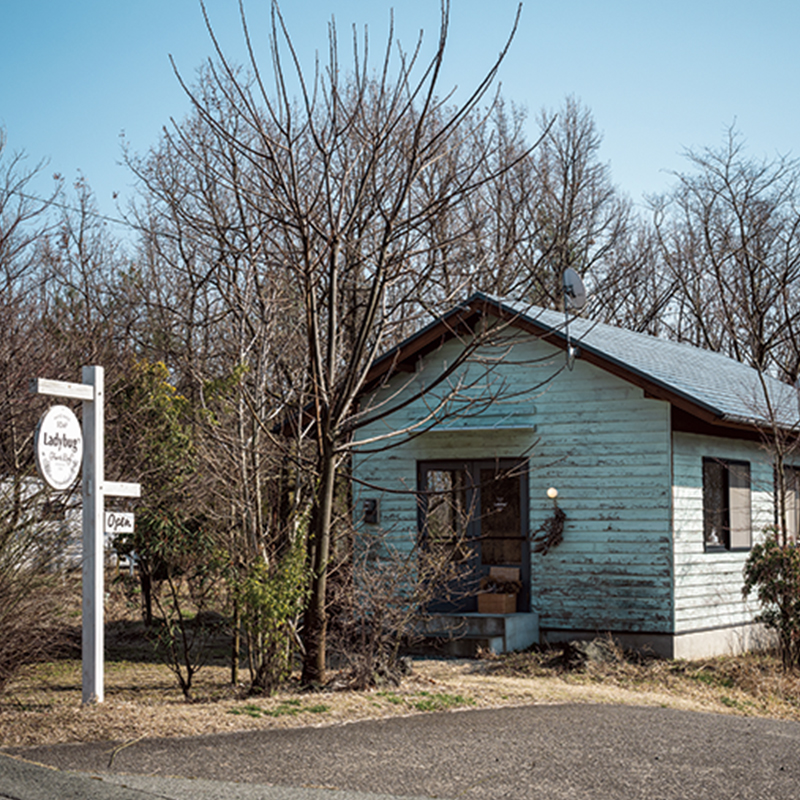
Appearing in the woods, a cute shop with mint-green exterior walls. Colorful soaps are lined up.
Story
of
Soap
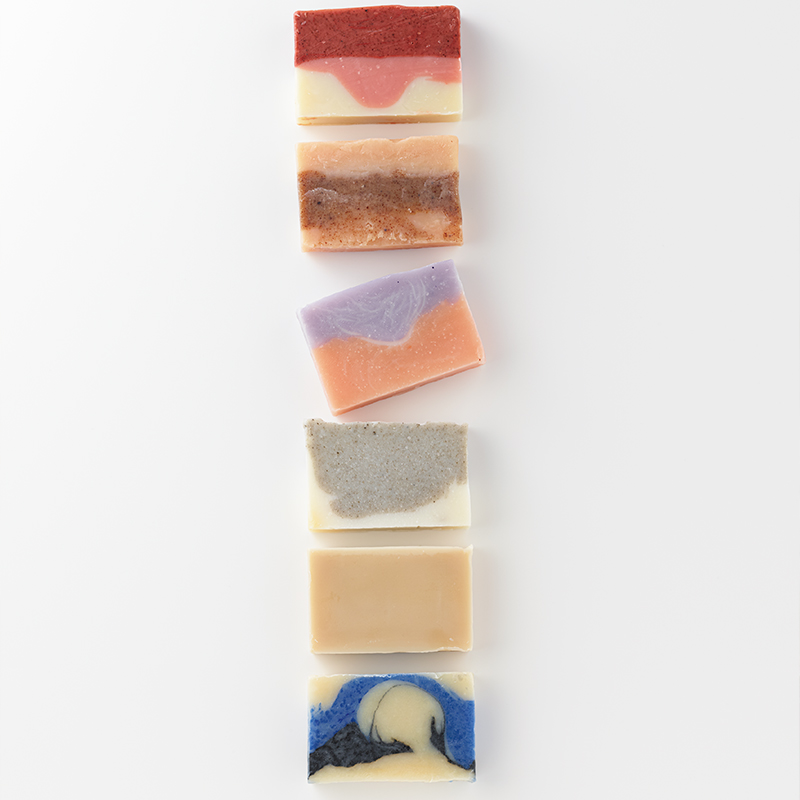
“Ladybug” soaps maintain their high quality while utilizing ingredients from various regions—starting with Kumamoto—and come in colorful forms. Let’s read the stories infused within them.
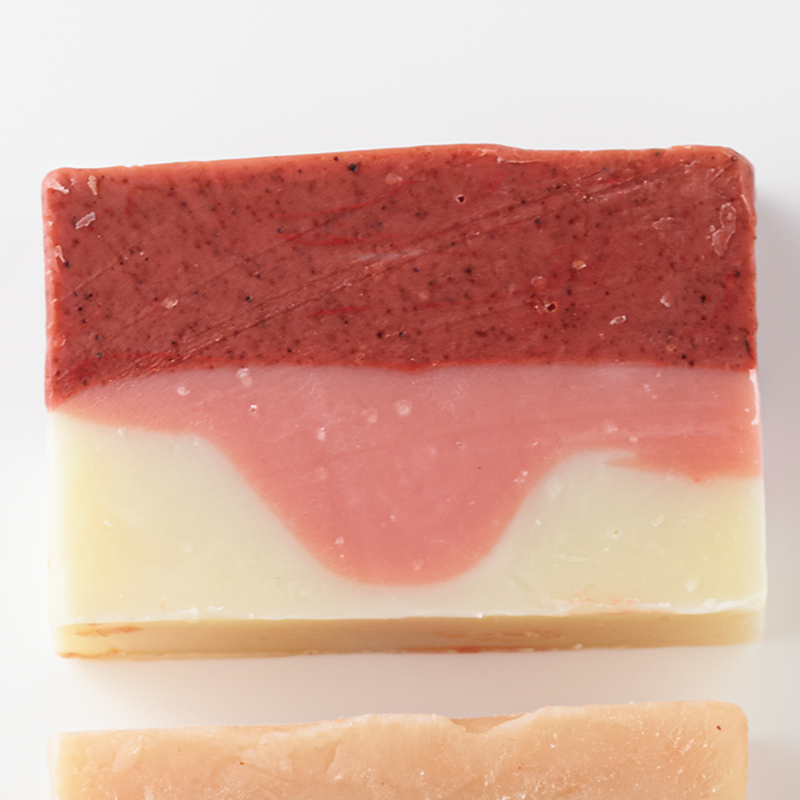
Yamaga, Kumamoto Prefecture Kikuka Chardonnay
“Kikuka Chardonnay” is a wine made from grapes grown without pesticides. Ms. Toyoda heard a story from a farmer who wanted to utilize the grapes after pressing, rather than throwing them away. What surprised Ms. Toyoda was that, even though there was no use for them yet, the farmer had processed the grapes into powder and preserved them. The enthusiasm that “these are truly good grapes, so it would be a waste” was conveyed, resulting in a beautiful wine-red soap packed with polyphenols.
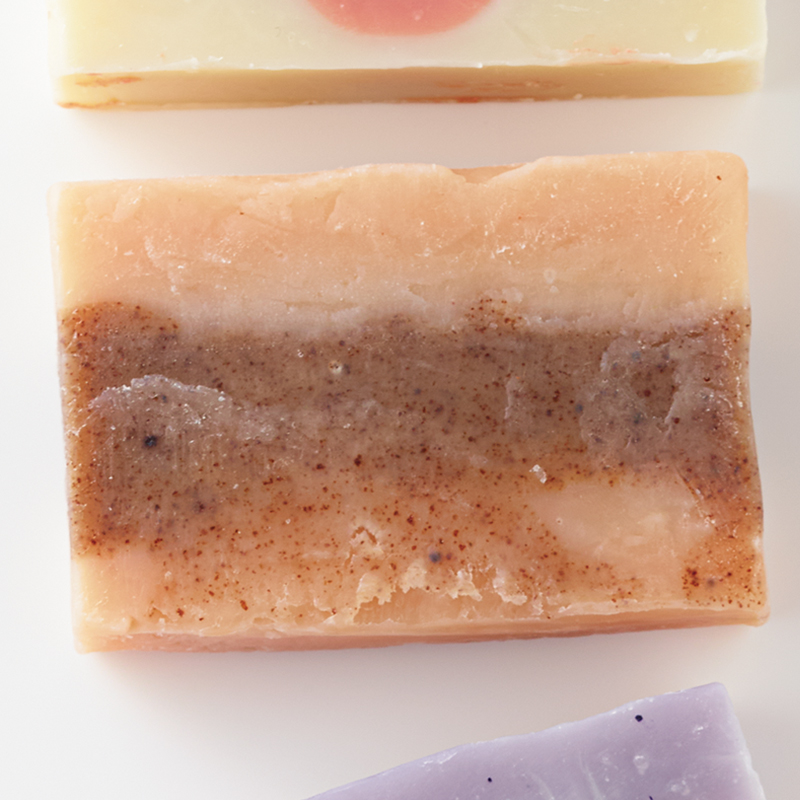
Tadami, Fukushima Prefecture Egoma
The connection with Kumamoto that an egoma farmer in Tadami Town shared dates back to the Great East Japan Earthquake of 2011. Many cars with Kumamoto license plates visited to provide support to the town, which had been struck by the flooding of the Tadami River. The townspeople, who remembered this for a long time, reportedly built a snow statue of Kumamon at their Snow Festival to pray for recovery when the Kumamoto Earthquake occurred in 2016. The scenery of Tadami Town, a heavy snowfall area, differs from that of Kumamoto. Ms. Toyoda was deeply moved by the connection between the hearts of these lands with such different landscapes. She infused the soap with the cherry blossom color of spring, which the people of Tadami Town say they eagerly await throughout the long winter.
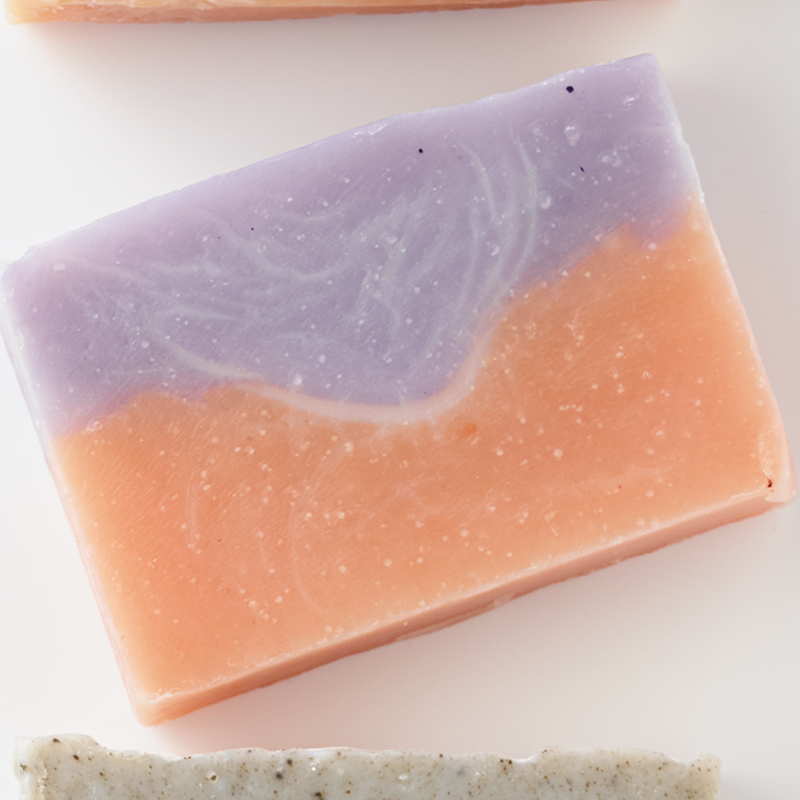
Birthday
She had reportedly been pondering for a long time about creating something perfect for anniversaries and gifts for a birth. The soap features vibrant colors and is formulated with horse oil and rice oil, making it suitable for people of any skin type. “I believe that looking fun is important, especially for children,” says Ms. Toyoda. A soap that one wants to use every day for its visual beauty and fun, as well as its quality. Ms. Toyoda’s fundamental sentiments are packed into this.
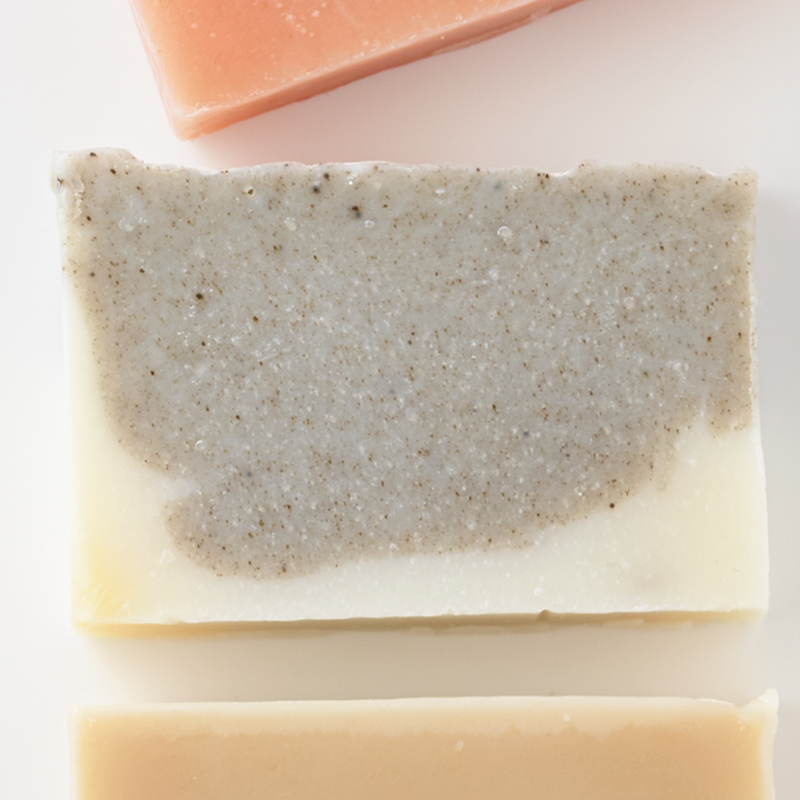
Minamiaso, Kumamoto Prefecture Suzume no Yu
Jigoku Onsen “Suzume no Yu,” famous for its beautifying waters and mud baths, is located in the town neighboring Takamori Town, where “Ladybug” is based. It was damaged in the Kumamoto Earthquake, and the hot water stopped flowing. Faced with that zeal for recovery, she created a soap with the desire to offer her cooperation as well. It is difficult to incorporate strongly acidic hot spring ingredients into alkaline soap without compromising them, so she reportedly produced many prototypes. The soap, which continued to deliver these waters known as a “miracle hot spring” to the whole country during the closure, remains a popular product even now that the abundant water flow has been restored.
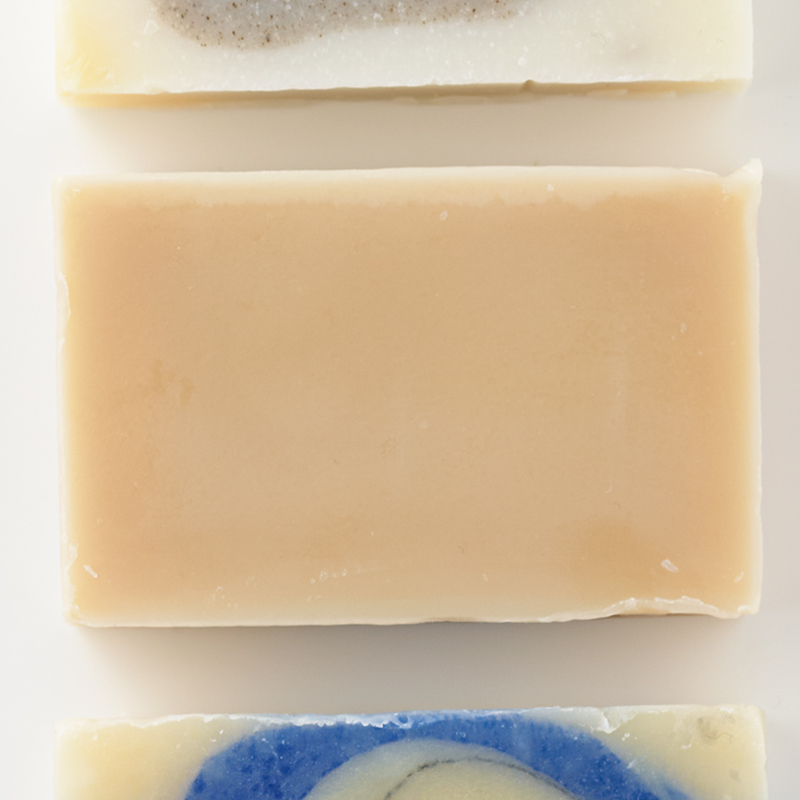
Minamiaso, Kumamoto Prefecture Awayuki
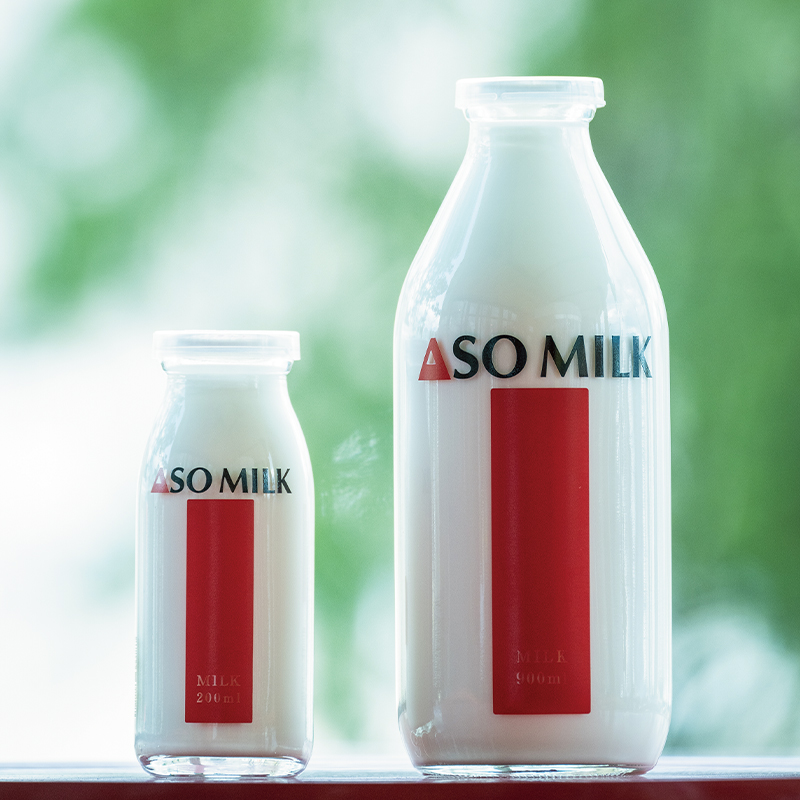
It uses the freshly squeezed “ASO MILK” packed with the bounty of Aso, which is introduced here. The catalyst was reportedly a request from Abe Farm: “Won’t you use our prized milk?” The milky hue of the milk and the exceptionally moisturizing finish are highly popular. It is said that many people return to this one after trying various other soaps.
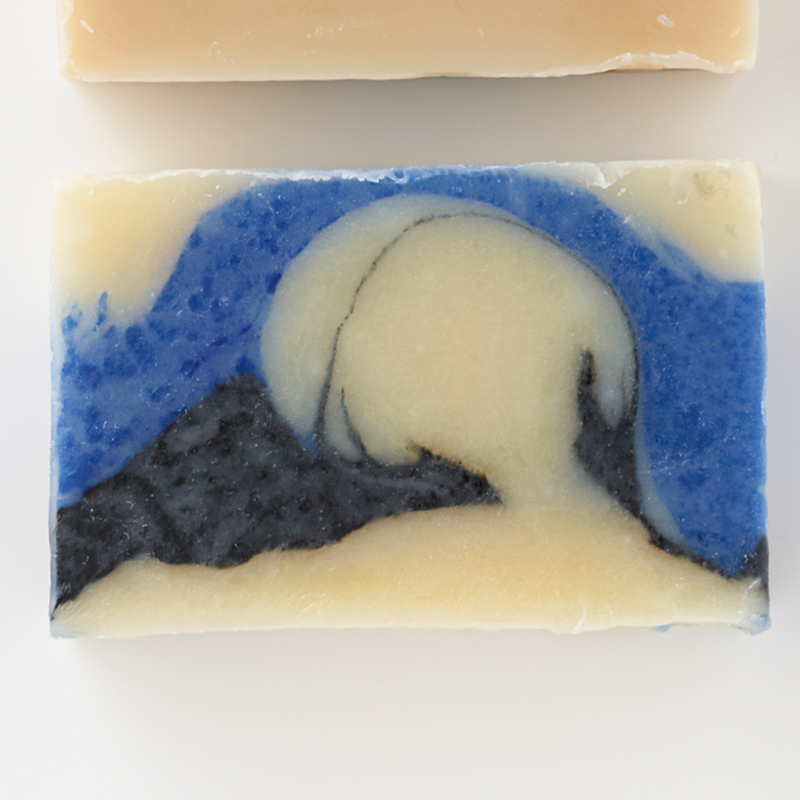
Minamiaso, Kumamoto Prefecture Aso Reizan
Thinking of using Aso’s local sake “Reizan” as an ingredient, she consulted with the brewery, Yamamura Shuzo, to complete this product. It became a topic in local newspapers right from its launch, and is reportedly a deeply memorable item that led to the determination to continue making soap in Minamiaso. With a faint scent of sake wafting from it, the soap, into which plenty of sake lees have been kneaded, promotes the elimination of waste products from the skin. The pattern, designed with the image of Mt. Aso and trailing clouds, is beautiful.
The Reason for Choosing a Time-Consuming Method.
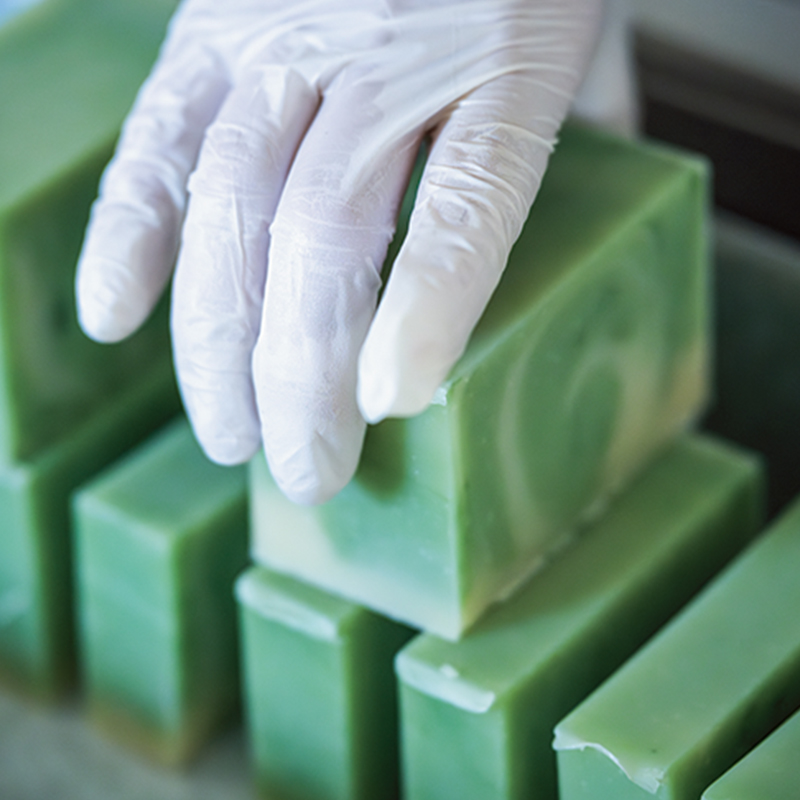
“Making it using good oils, taking time and effort. Everyone knows this kind of soap is good, but it is quite difficult to actually do,” says Ms. Toyoda. The Cold Process method, which solidifies soap using the heat generated from the chemical reaction between fats and alkalis, involves aging the soap over time because it uses no external heat. As it is unsuitable for mass production, only about 1,500 bars can be produced per month. However, this allows the beauty ingredients, which are easily destroyed by heat, to be locked in without being damaged.
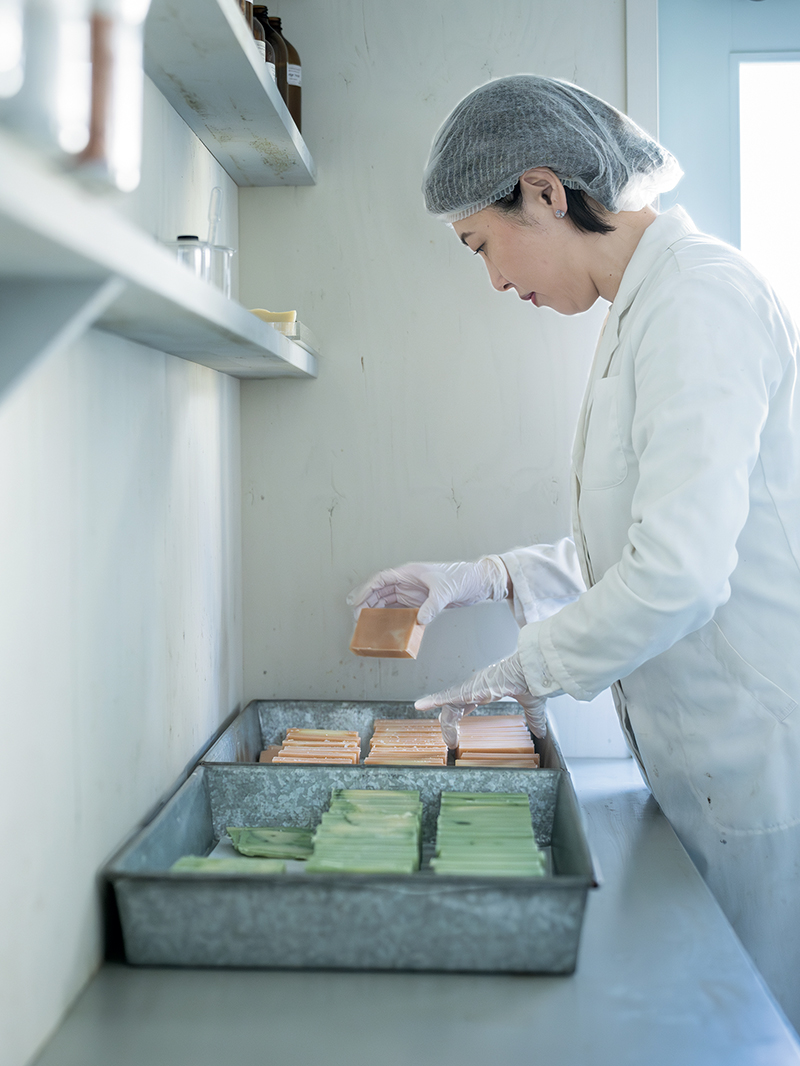
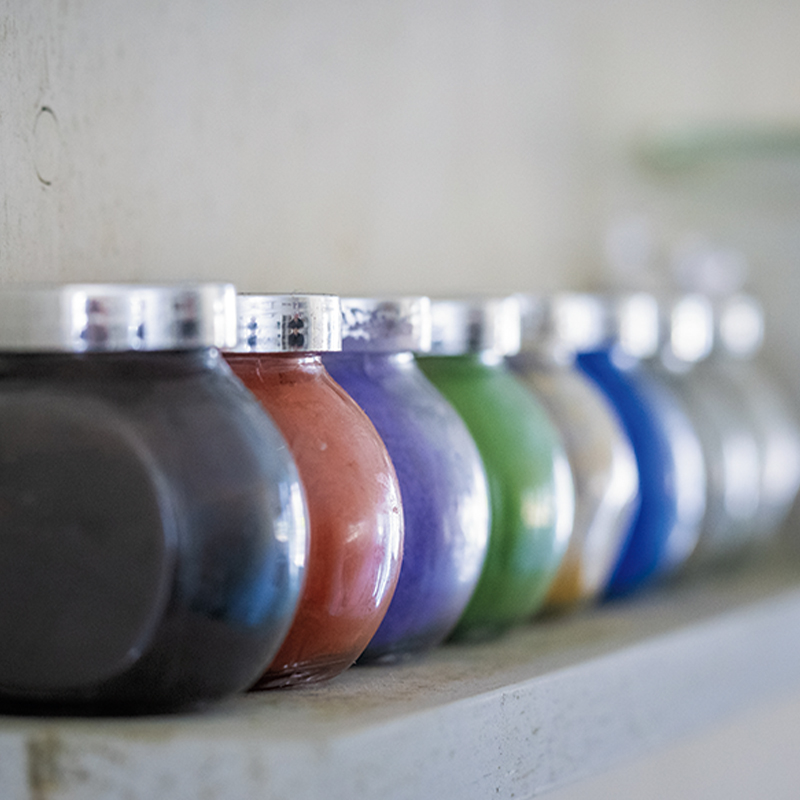
Ms. Toyoda’s atelier is a lovely space with a sense of cleanliness, where colorful small bottles are lined up. However, there was the figure of Ms. Toyoda moving non-stop for a little under three hours: carefully stirring large amounts of liquid and skillfully adding patterns before the soap hardened. While working with hands that bear several burn marks from the alkaline solution, she laughs brightly, saying, “I recently started going to the gym so I can continue doing this physical labor.”
The soap poured into molds is cooled slowly in an insulation cabinet for about one week so that the temperature does not drop suddenly. After that, it is removed from the mold, cut, moved to aging shelves, and left to sit for one month. Since it takes a little under two months to be finished, even when developing new creations, she prepares many patterns while imagining the final result.
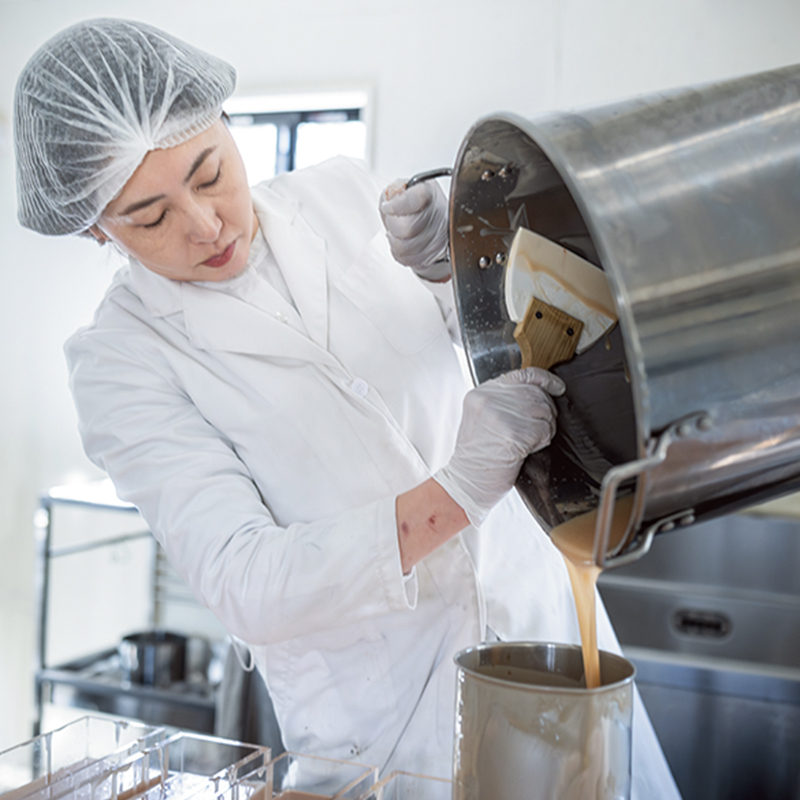
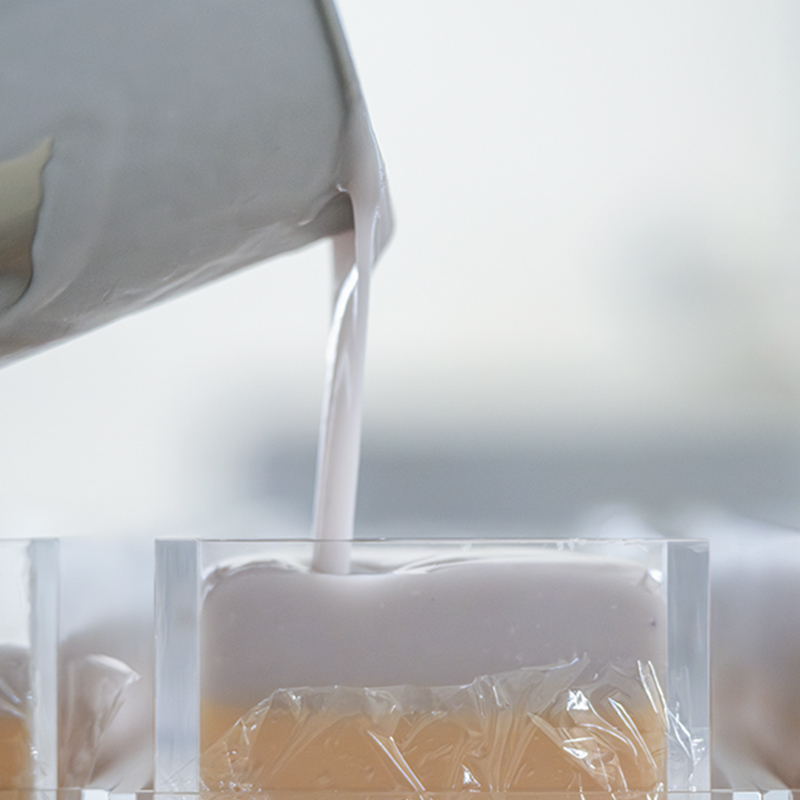
Lifting heavy stockpots, she adds scents and colors.
“You can confirm the washing sensation and cleansing power to some extent by the pH value, but appearance and scent are also important. I create them while imagining what kind of mood the user will be in when using them,” she told us while carefully pouring two layers of purple and pink into a mold. Because they are handmade soaps, the patterns and colors differ slightly. Even so, regarding each and every one, she reportedly wonders, “Did I manage to make it more lovely today than before?”
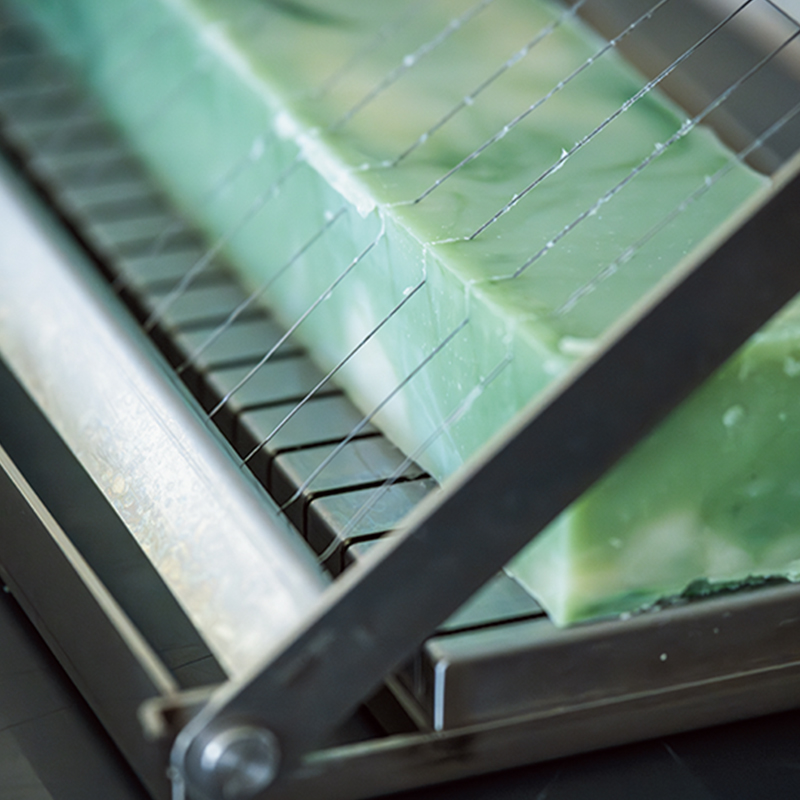
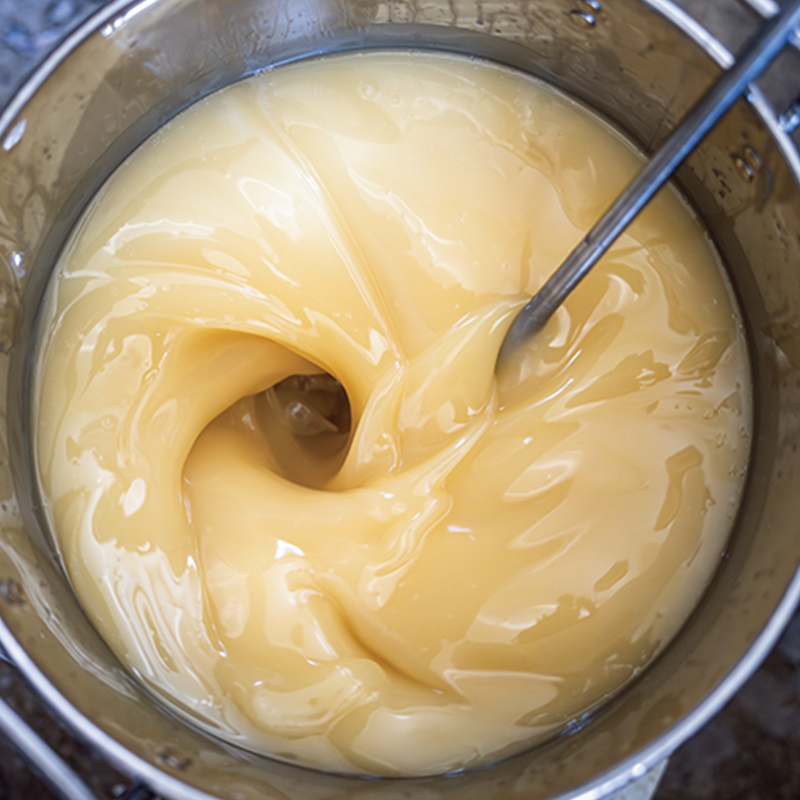
Meticulous and speedy work leads to quality.
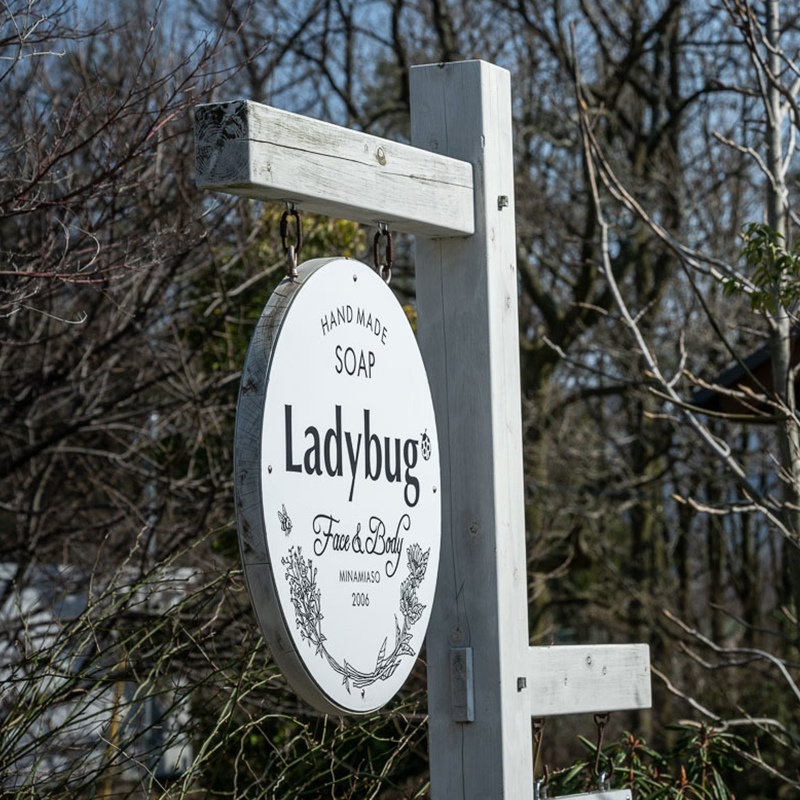
The shop’s name, “Ladybug,” refers to the insect. When the owner took over the building and completed the shop by cleaning and painting it herself, many ladybugs were already living there. They climb up to the tips of plants and take flight, aiming for the sun. That origin of the name was a perfect fit for her feelings at the time. The soap, which began for the sake of just one person—her daughter—has now taken flight throughout Japan, making many people smile.
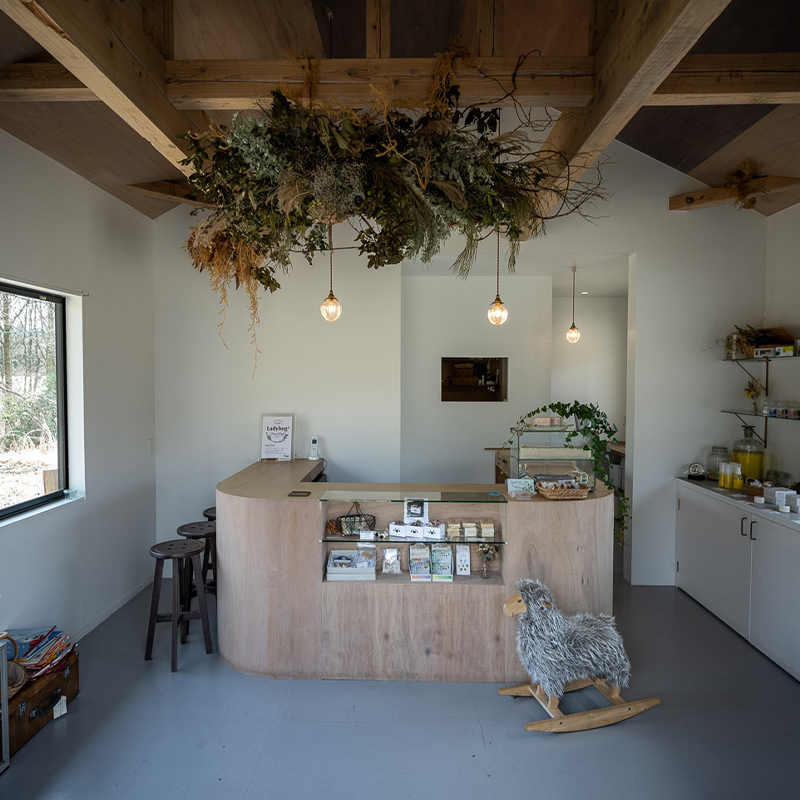
Inside the shop, amidst the warmth of nature, soaps like treasures are lined up.
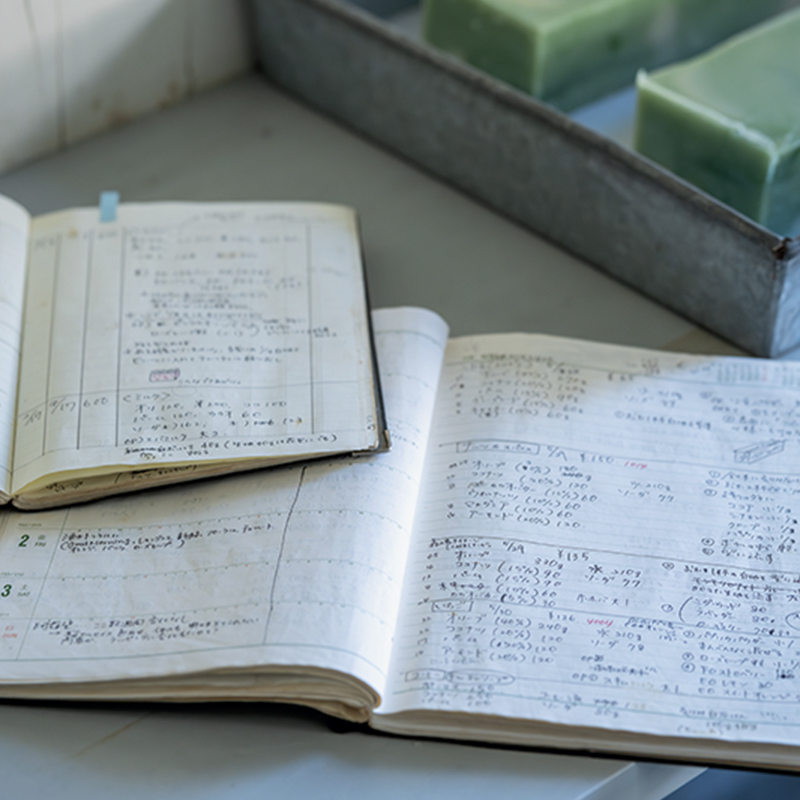
A soap recipe notebook, densely written with ideas.
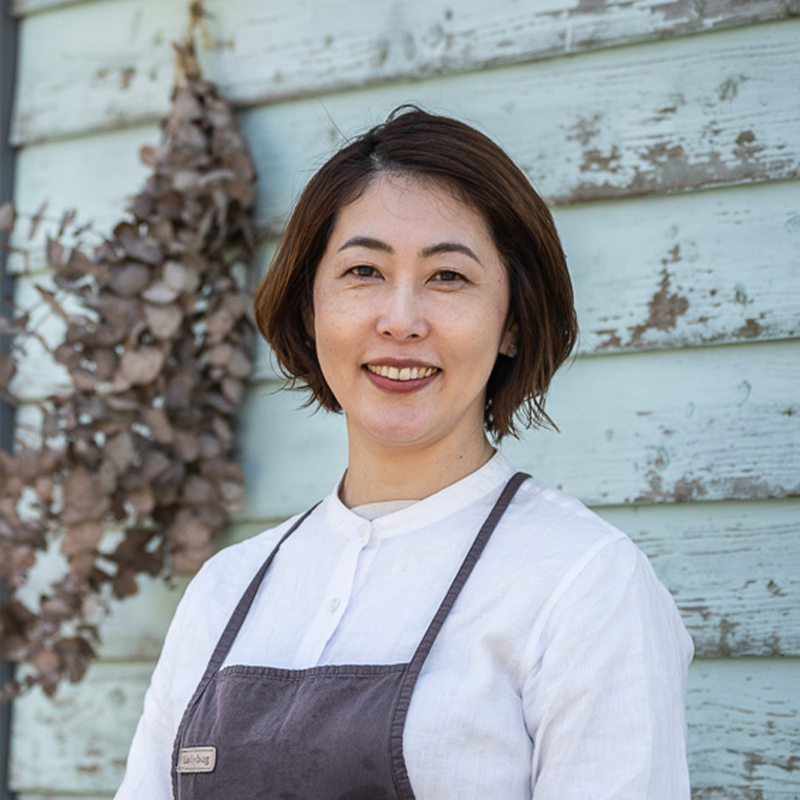
Nozomi Toyoda
Owner of the handmade soap shop “Ladybug” since 2006. She is energetically developing new products using attractive ingredients from across the country.