


Speaking of the characters Kumamoto is proud of, who are active and have gained nationwide fame—
The one who needs no introduction: Kumamon.
Bonolon, the protagonist of a picture book story with ties to Aso, which has exceeded 100 million copies in total circulation and marks its 20th anniversary this year.
And the yokai Amabie, whose origins in the seas off Higo are surprisingly little known.
We are introducing these “Three Major Characters” here because we would be delighted if you, who are curious about Kumamoto, would get to know them better.
“Gather Round! Everyone’s Amabie”
Wishing for the end of epidemics, many painters and manga artists drew pictures of Amabie, both during the time of the COVID-19 pandemic and this year, when whooping cough is prevalent. A grand gathering of unique Amabie!
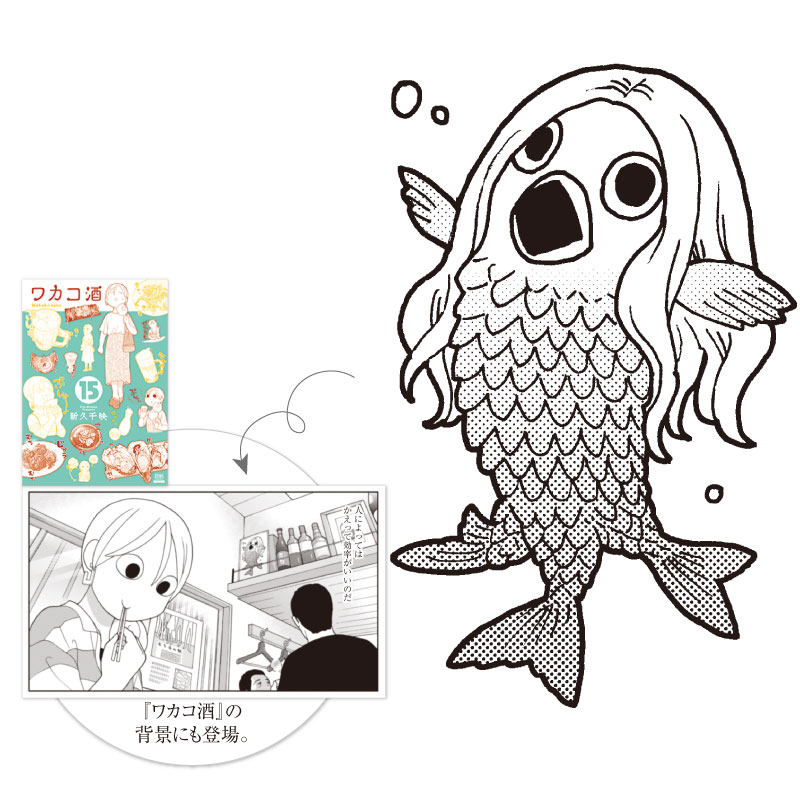
Chie Shinkyu
Wakako Zake
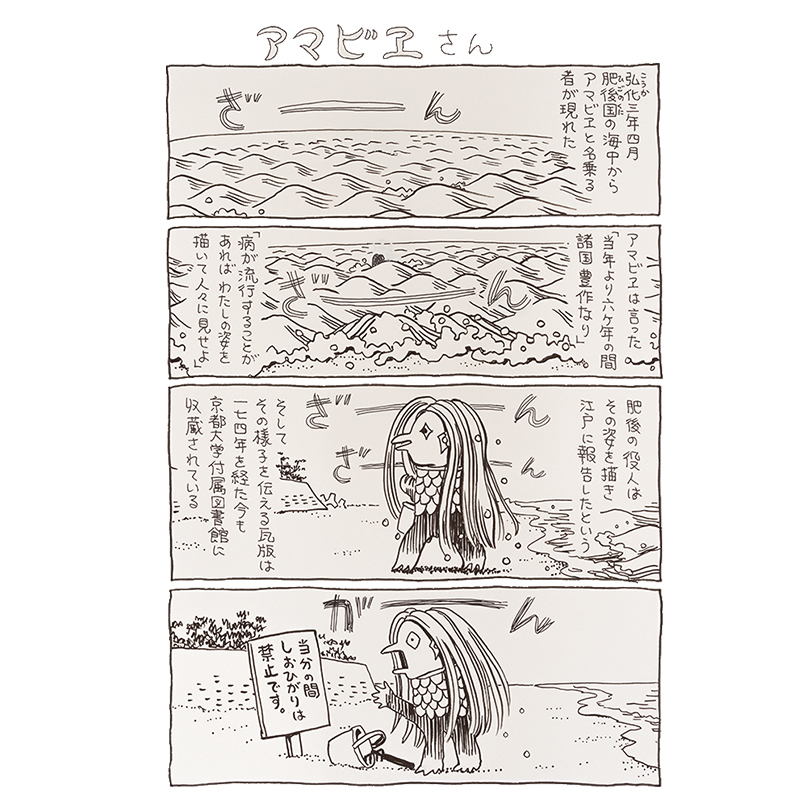
Fumiyo Kouno
In This Corner of the World and others First published in the Summer 2020 issue of Shosetsu Tripper (Published by Asahi Shimbun Publications)
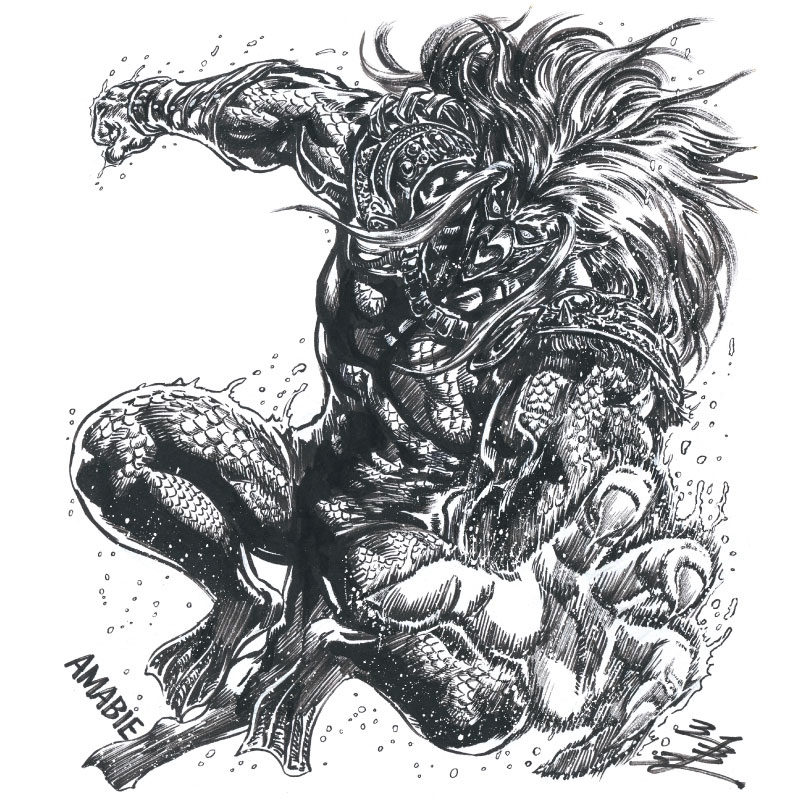
Hideki Tsuji
Art for Fist of the Blue Sky: Regenesis
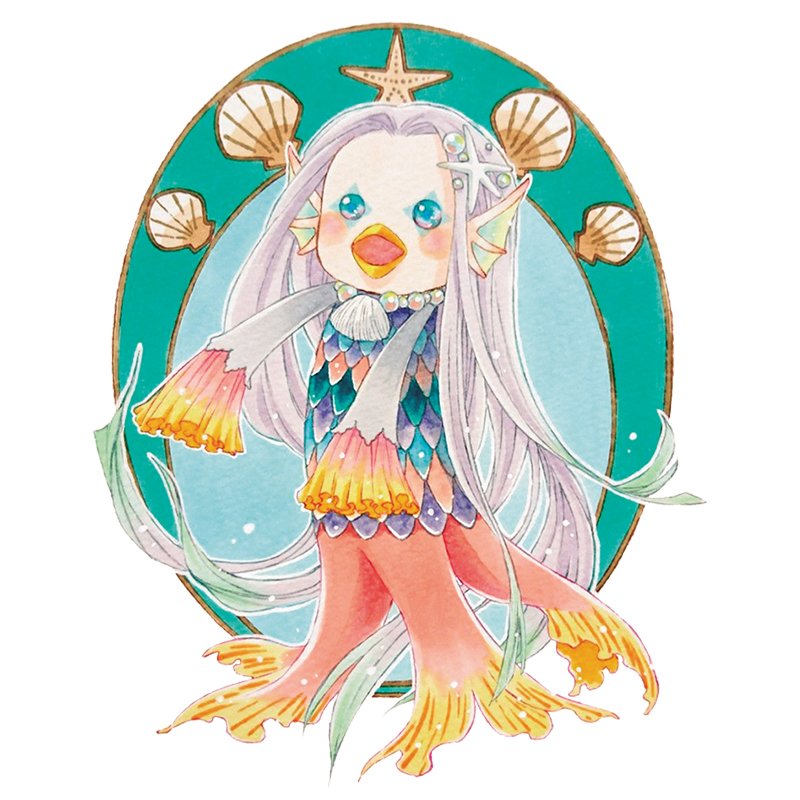
Yorifuji
From Kumamoto. Composition for The Maiden of the Sacred Seal: The Marquis’s Daughter, a Former Pharmaceutical Researcher, Declines Her Engagement and Aims to Become a High Healer
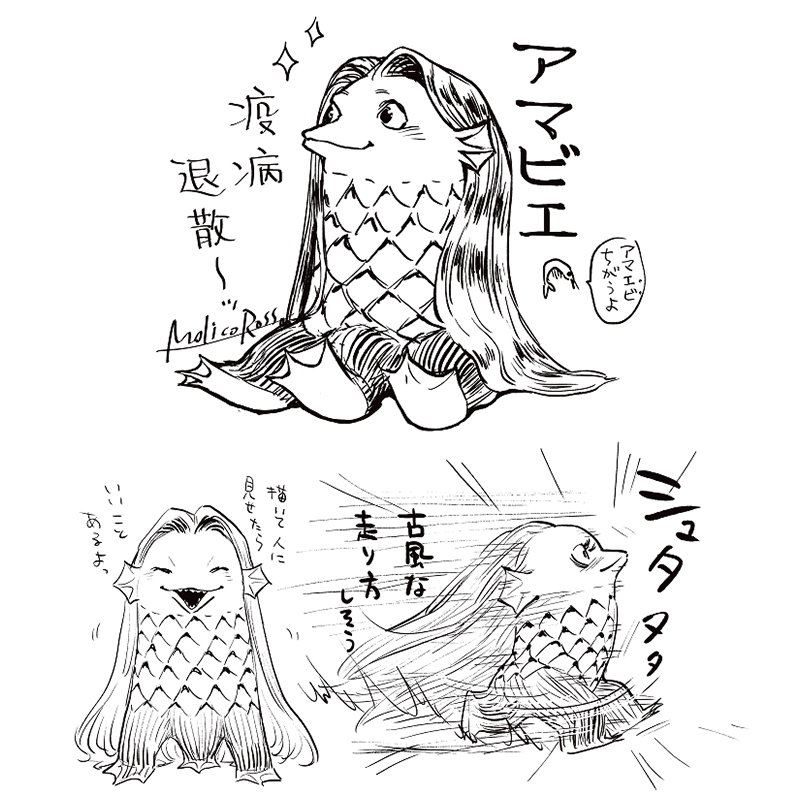
Moricoross
The Cat and the Gentleman’s Tea Room
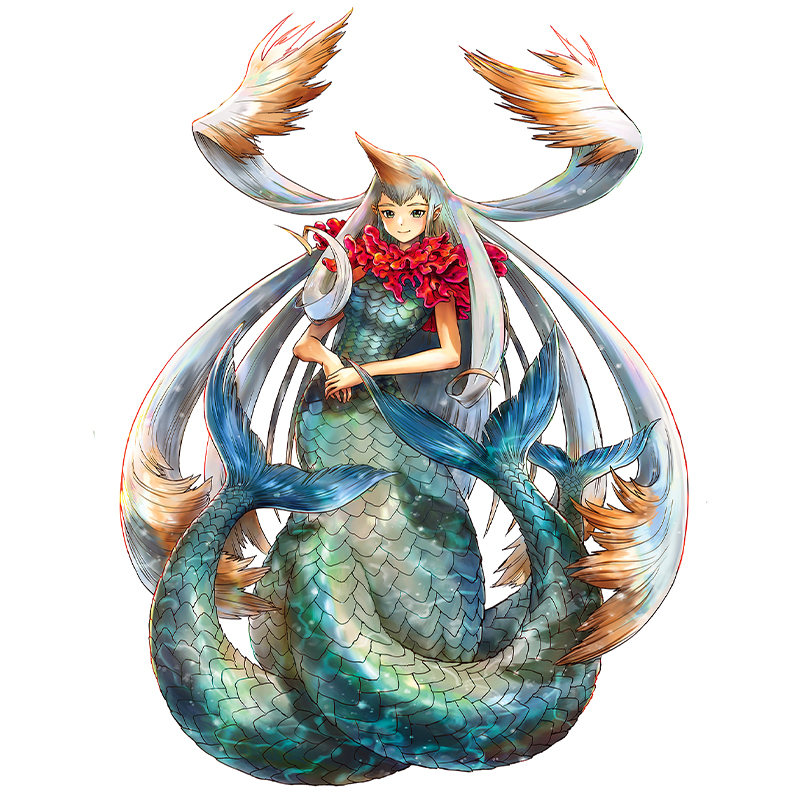
Roberto F.
From Brazil, residing in Kumamoto. Winner of the Grand Prix Runner-Up Award at the 4th Silent Manga Audition.
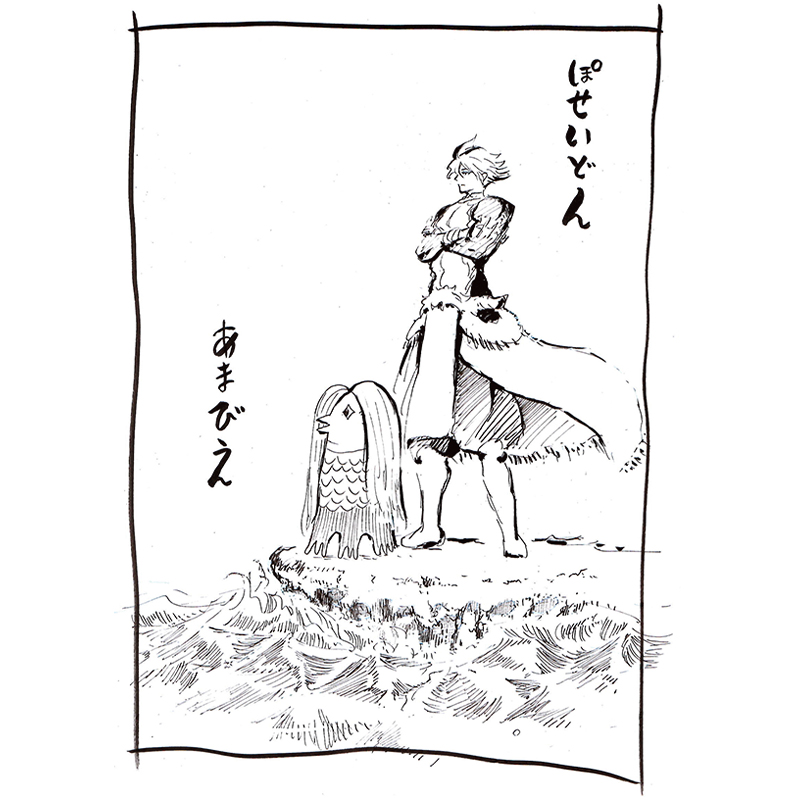
Takumi Fukui
Composition for Record of Ragnarok
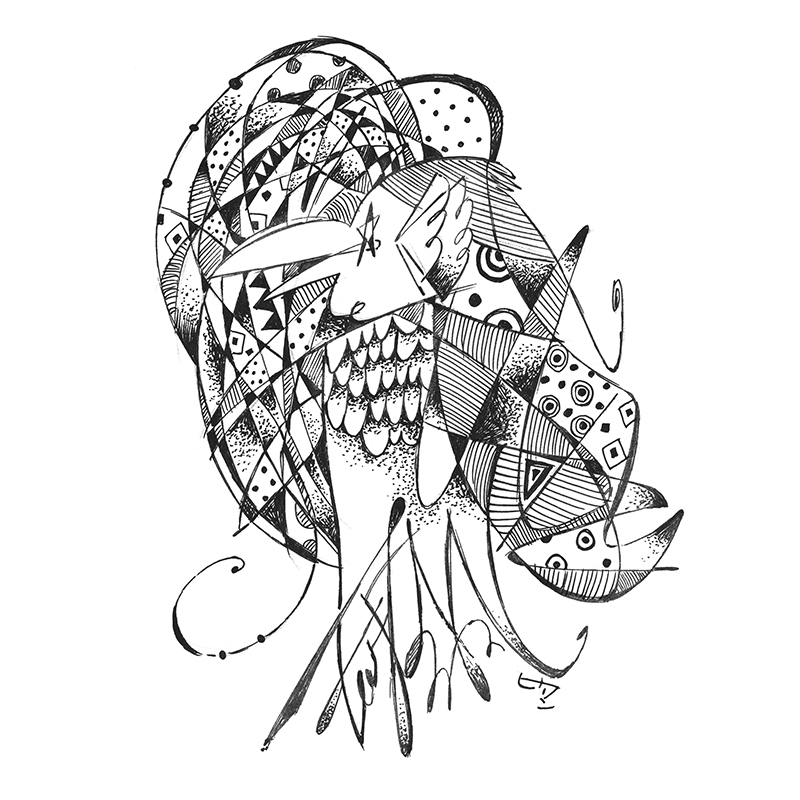
Hikarin
Art for Forest Warrior Bonolon (October 2022 issue – October 2025 issue)
A Huge Boom During the COVID-19 Pandemic! Is That Yokai Amabie From Kumamoto!?
The yokai Amabie garnered sudden attention during the COVID-19 pandemic. Did you know that it is actually a yokai from Kumamoto? If you draw a copy of its figure, epidemics will be driven away. This mysterious, mermaid-like yokai, said to bring such blessings, has become a popular character drawn by many people. We will introduce the fascinating aspects of Amabie taught to us by Mr. Hiroyuki Suzuki, who researches yokai at Kumamoto University.
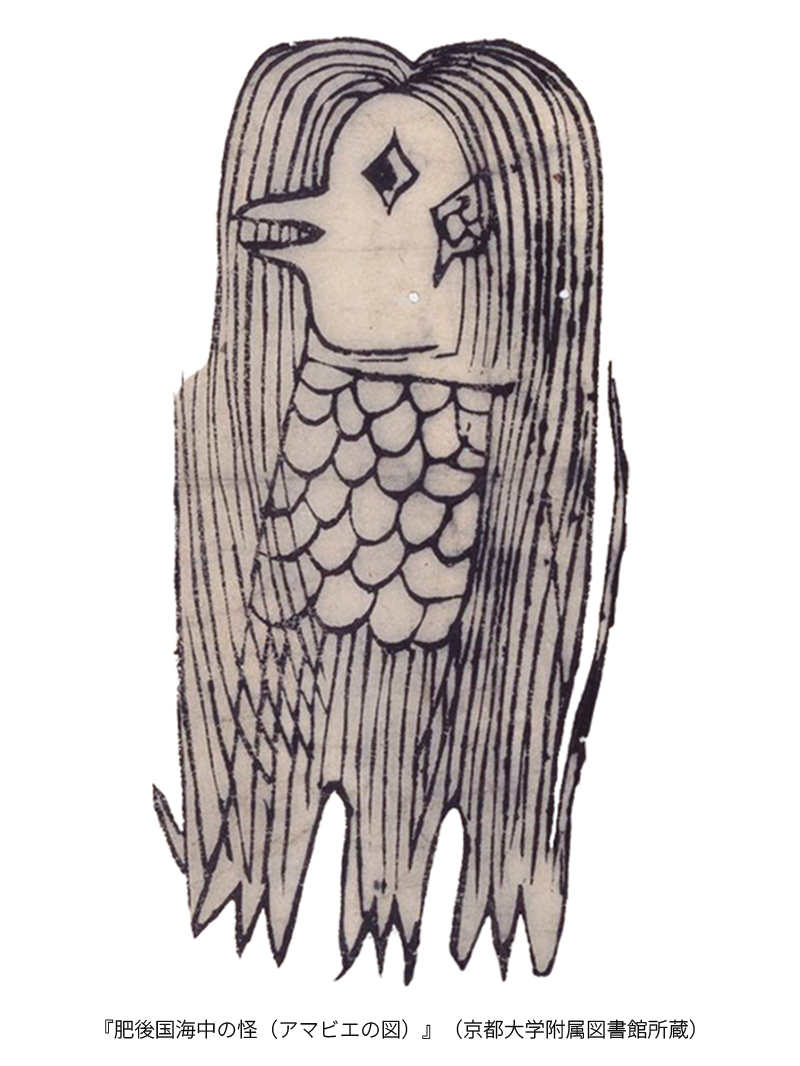
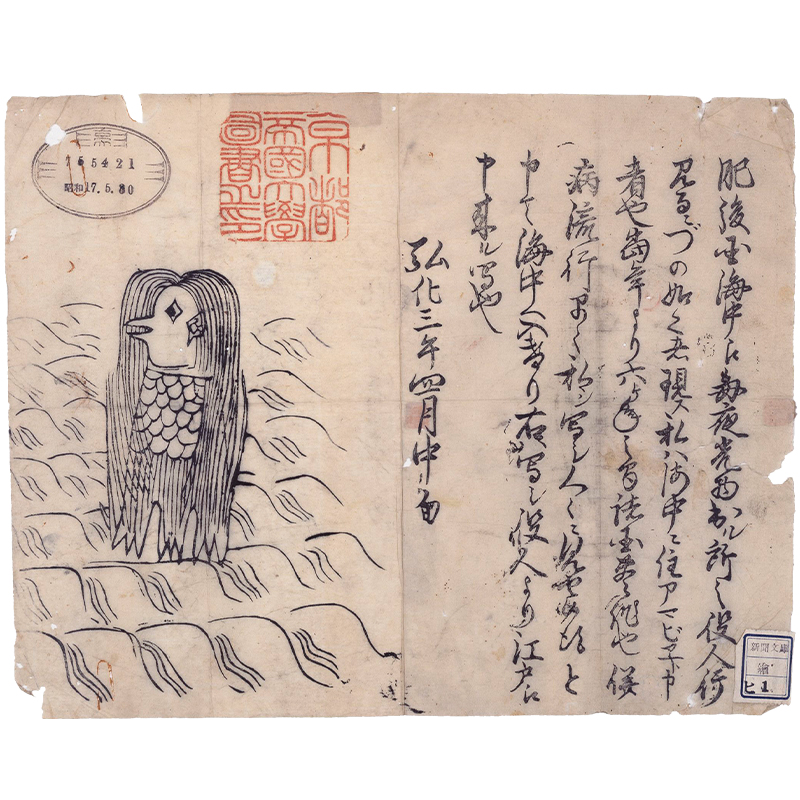
In 1846 (the third year of the Koka era), it was reported in a kawaraban (printed broadsheets used to convey news) that a yokai appeared in the seas of Higo Province (present-day Kumamoto Prefecture). Possessing a bird-like beak, long hair, mermaid-like scales, and three legs, the yokai identified itself as Amabie. It then proclaimed that good harvests would continue across the provinces for the next six years, while also predicting that an epidemic would spread. It is said to have told people to draw a copy of its figure and show it to others as soon as possible.
“However, there are no records or legends about Amabie in Kumamoto Prefecture itself. Including the fact that it appeared in the seas of Higo, it is only in recent years that its existence has become widely known.” So explained Mr. Hiroyuki Suzuki, an Associate Professor at the Faculty of Letters, Kumamoto University.
“The poor harvests and epidemics in Amabie’s prophecy were like natural disasters that human power could do nothing about at the time. Therefore, how to protect themselves from them was a matter of great concern. I believe Amabie was one of the things that became popular as a sort of talisman. The third year of Koka, when it appeared in the kawaraban, was also a year when smallpox was rampant.”
Eventually, we entered the Reiwa era, and the novel coronavirus raged. In the midst of that, in March 2020, Kumamon dressed up in an Amabie costume and became a hot topic. Furthermore, the fact that the Kumamoto Shintoshin Plaza Library disseminated information about the kawaraban on social media became one of the triggers, and Amabie garnered attention all at once. It was around this time that drawing pictures of Amabie and publishing them on the web under the name “Amabie Challenge” became a boom.
“During the COVID-19 pandemic, especially in the beginning, the sense of fear was strong, wasn’t it? At such times, by drawing or looking at cute pictures, one can distract oneself from the harsh reality. Perhaps that has not changed, now or in the past,” says Mr. Suzuki.
Actually, Amabie did not speak about what would happen if you showed its picture to people. However, Mr. Suzuki says, “The reason we understand that this leads to a wish for the end of epidemics is because there are similar yokai.” These are prophesying yokai, named “Prophetic Beasts” (Yogenju) by folklorist Koichi Yumoto. In Kyushu, particularly in Buzen and Higo, many legends of prophetic beasts such as “Amabiko” and “Jinjahime” remain.
“The readers of the kawaraban in which Amabie was depicted were mostly residents of urban areas like Edo and Osaka. From their perspective, Kyushu was far away and its actual state was not well known; it might have been seen as a place where mysterious things occurred.”
「鳥のようなくちばしがあって3本足で、不気味なのにどこか愛嬌があるアマビエは、アレンジがしやすく人気が出たのでは」と鈴木さんは推測します。
“I surmise that Amabie, having a bird-like beak and three legs, and being creepy yet somehow charming, was easy to adapt artistically, which is perhaps why it became popular,” Mr. Suzuki speculates.
Amabiko has the figure of a three-legged monkey and, like Amabie, predicts the spread of epidemics. It is a yokai said to have conveyed that those who draw a copy of its figure will escape calamity. Based on this, Mr. Yumoto speculates that “Amabie” might be a misspelling of “Amabiko.”
“Even if there were a benevolent entity called Amabiko, one might think that if the name were misspelled, its blessings would be lost. However, therein lies the fascinating aspect of the yokai Amabie,” says Mr. Suzuki.
“When people have desperate wishes, something god-like appears to respond to them. The essential nature at the root of this is not impaired by something as simple as a misspelling of a name. It might be a flexible existence that can change adaptively to fit the region and the era.
“Folklorist Kunio Yanagita theorizes regarding yokai that if many people worship them properly, they bring blessings like a god, while if they are ignored, they commit mischief as a yokai. Amabie might be conveying to us the way Japanese people engage with yokai and gods.”
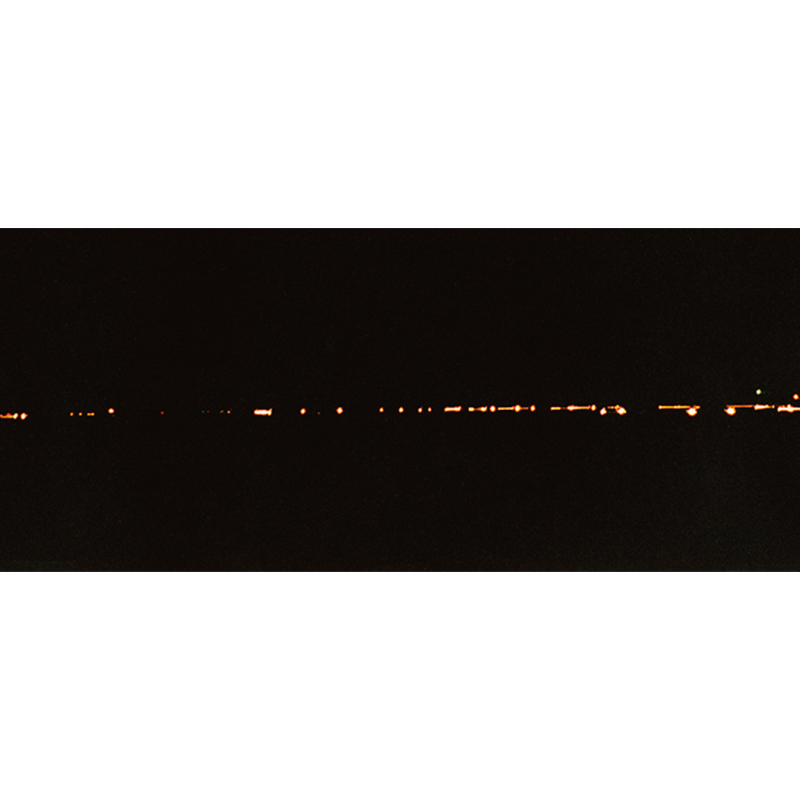
Summer is the season of yokai. If you turn your eyes toward the night sea of Kumamoto, there you might find——.

The inland waters of the Yatsushiro Sea, viewed from Amakusa. The sight of clouds dyed red by the morning glow reflecting on the water possesses a divine quality that makes one involuntarily nod in agreement even with stories of having seen a yokai.
Associate Professor, Faculty of Letters, Kumamoto University ** Yokai Researcher** Mr. Hiroyuki Suzuki
Reading GeGeGe no Kitaro by Shigeru Mizuki was the catalyst that led him down the path of yokai research. He also conducts research on regional revitalization through manga and anime featuring yokai, as well as the promotion of folklore and yokai culture in various regions.