


The financiers at the cafe and bar “Neu” in Kumamoto City, which we introduce in another article, are the result of instruction received from Shoko Hirase, an acclaimed pâtissier from Kumamoto. What Ms. Hirase prioritizes is that they be freshly baked. The joy of eating freshly made bread prepared by her mother every morning is connected to the philosophy of Ms. Hirase, who became a pâtissier.
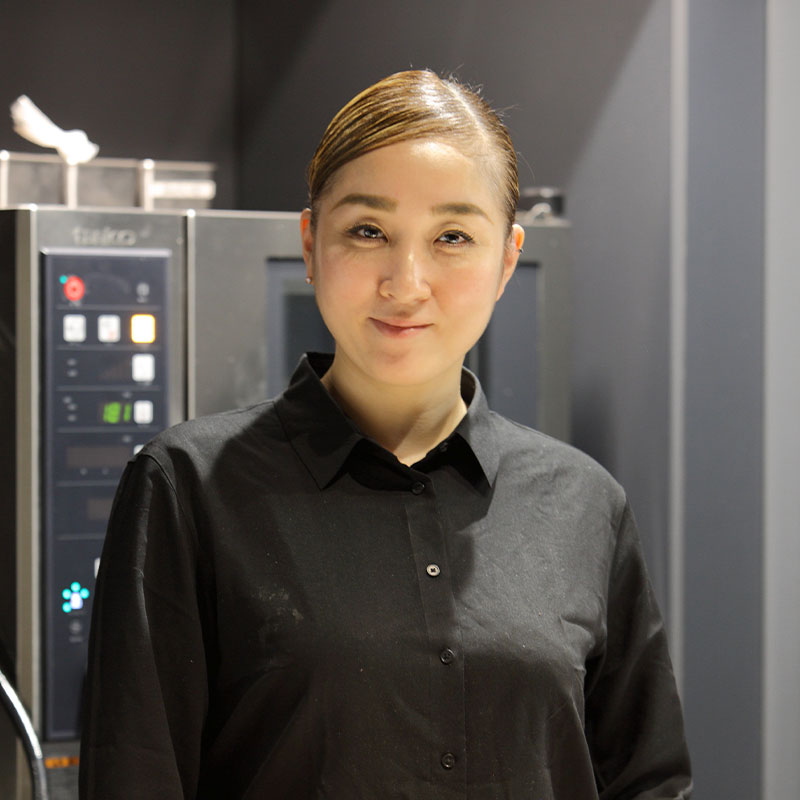
Ms. Shoko Hirase
Born in Kumamoto City. After graduating from high school, she worked at the Hotel New Otani Kumamoto. In 2003, she moved to France, where she honed her skills at establishments including “Stohrer,” the oldest pâtisserie in Paris, as well as “Pascal Pineau” and the restaurant “Le Jules Verne Paris” located within the Eiffel Tower. After studying under Mr. Toyomitsu Nakayama at “Restaurant Toyo,” she returned to Japan in 2011. Currently, she serves as the pâtissier at “Restaurant L’aube” (Minato Ward, Tokyo), which has earned one star in the Michelin Guide Tokyo for six consecutive years. In 2023, she opened “Patisserie L’aube Kakyouan” in Kanazawa. She has received the Best Pâtissier Award from the global gourmet guide “Gault & Millau.”
“Those who eat it are happy. That is my happiness.”
“I want to create a new souvenir that embodies the essence of Kumamoto.” It was receiving this request from “Neu” in my hometown of Kumamoto that led me to go there and teach them how to make financiers, a specialty of mine. The most important things for financiers are the baking temperature and timing. This is something that cannot be taught unless experienced together. Furthermore, because it was necessary for them to understand the proper use of tools such as gas ranges and ovens, I commuted from Tokyo to Kumamoto once every two months.
For baked goods, starting with financiers, I cherish that happy feeling one gets when eating them freshly baked. I want to provide customers with an experience where they enjoy the specific place and moment—something that cannot be obtained with takeout. I visited “Neu” repeatedly until I felt that my philosophy and methods had been fully shared. I am proud to say that the quality of these financiers has reached a level where I am not ashamed to have them presented under the name Shoko Hirase.
It was my mother who taught me the deliciousness of freshly baked food. My mother ran a bread-baking class, so there was always bread that had just been made and the scent of wheat at the breakfast table. That is the kind of home I grew up in. It was only after leaving my parents’ home that I realized just how blessed an environment I had been in. Eventually, I began to think that I, too, wanted to provide the joy of freshly baked goods that my mother taught me, as a pâtissier. Seeing those who eat it become happy is, above all else, my happiness. That is how I feel now.
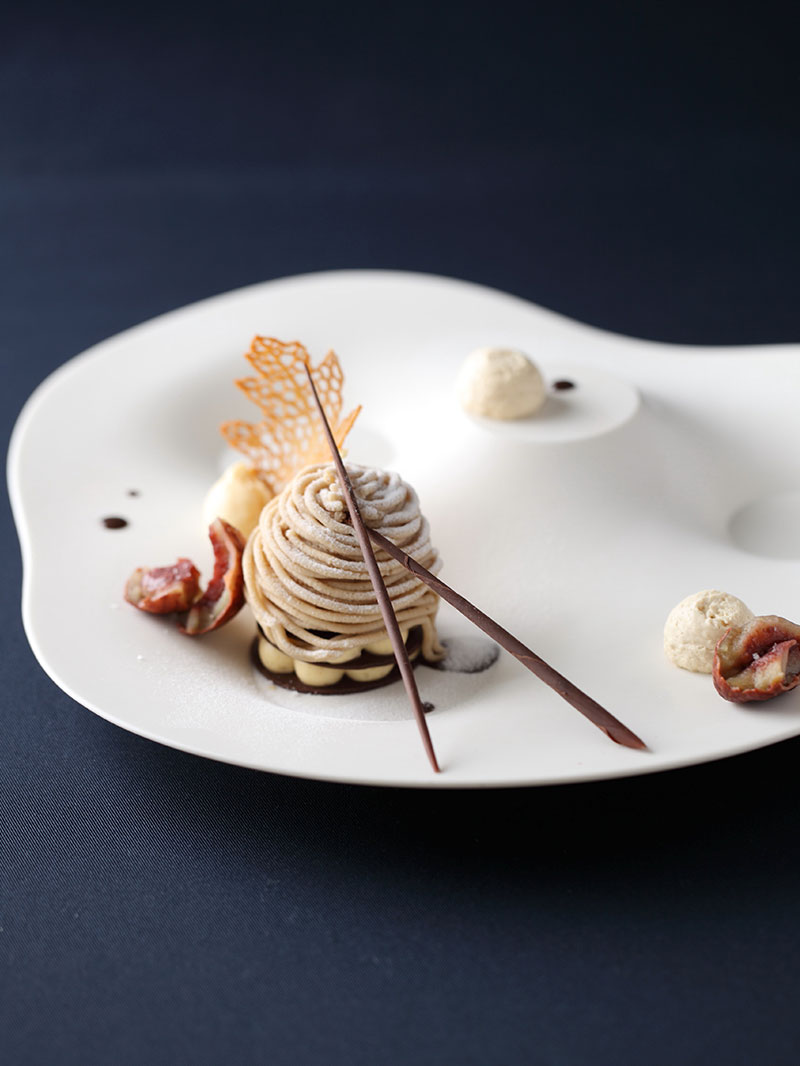
From the perspective of a pâtissier, Kumamoto is a land blessed with ingredients. Among them, the chestnuts of Yamae Village are exceptional. They are rare chestnuts that can only be harvested for about two weeks a year, and they possess a moderate natural sweetness. Because they are delicate ingredients where the original flavor is lost if the balance is incorrect, my skills as a pâtissier are tested. Having had the good fortune to be appointed as the “Chestnut Ambassador” of Yamae last year, I hope to bring out the appeal of these chestnuts in my own way. In addition, my impression of Kumamoto’s citrus fruits is that their flavor is concentrated. I sense a healthy deliciousness in them, as if they have been thoroughly bathed in sunlight.
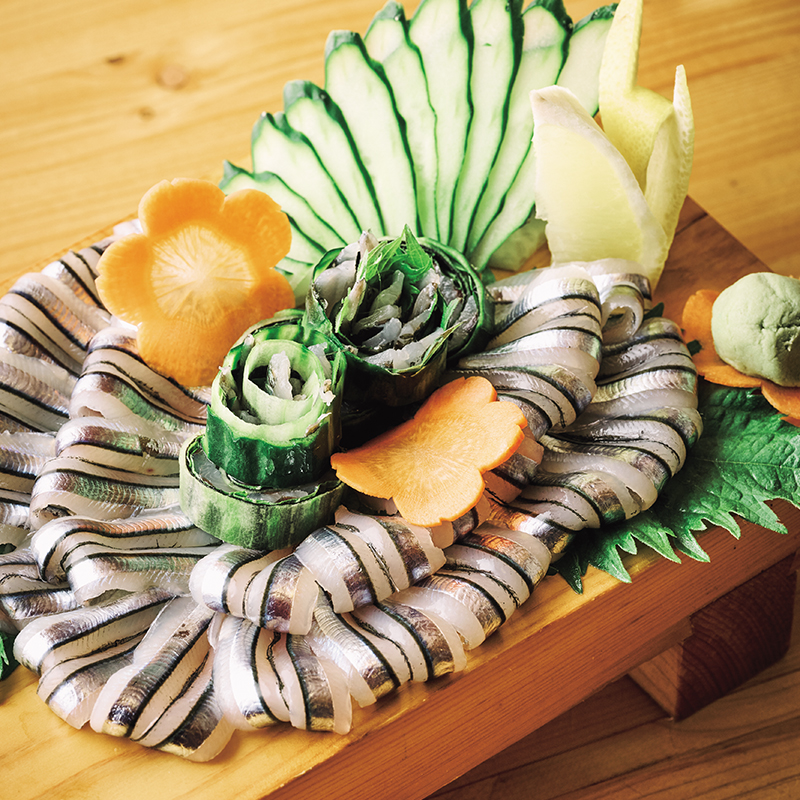
Speaking of Kumamoto ingredients, I previously had the opportunity to stay at a ryokan (traditional inn) in Hitoyoshi City. There, I ate Ayu (sweetfish) caught in the local clear streams. The flavor was deeply nourishing, and I was moved, feeling it was the ultimate luxury. The cuisine that people seek when traveling is food harvested from that very land. This may seem obvious, but because I usually live in an environment in Tokyo where high-end ingredients are available at any time, it was a realization that took me by surprise.
Just like my mother’s freshly baked bread, the moving experiences I have had so far have become my sustenance and are connected to who I am today. That is how I see it.
The name of the shop Ms. Hirase opened in Kanazawa last year is “Kakyouan.” The name is taken from Kakyou (A Mirror to the Flower), a treatise on art by Zeami, who perfected Noh theater during the Muromachi period. As if embodying the phrase from the book, “The power of feeling that connects all skills with a single mind,” Ms. Hirase faces her work with a clear mind, utilizing every skill she possesses amidst a taut atmosphere of tension. There, we saw the earnest figure of a person striving to master that state of being.
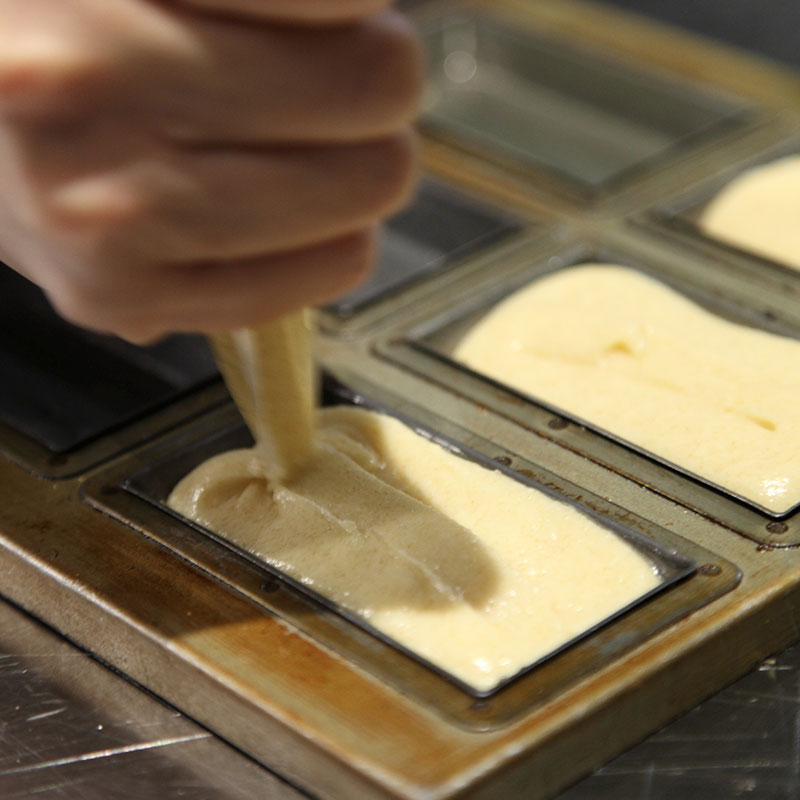
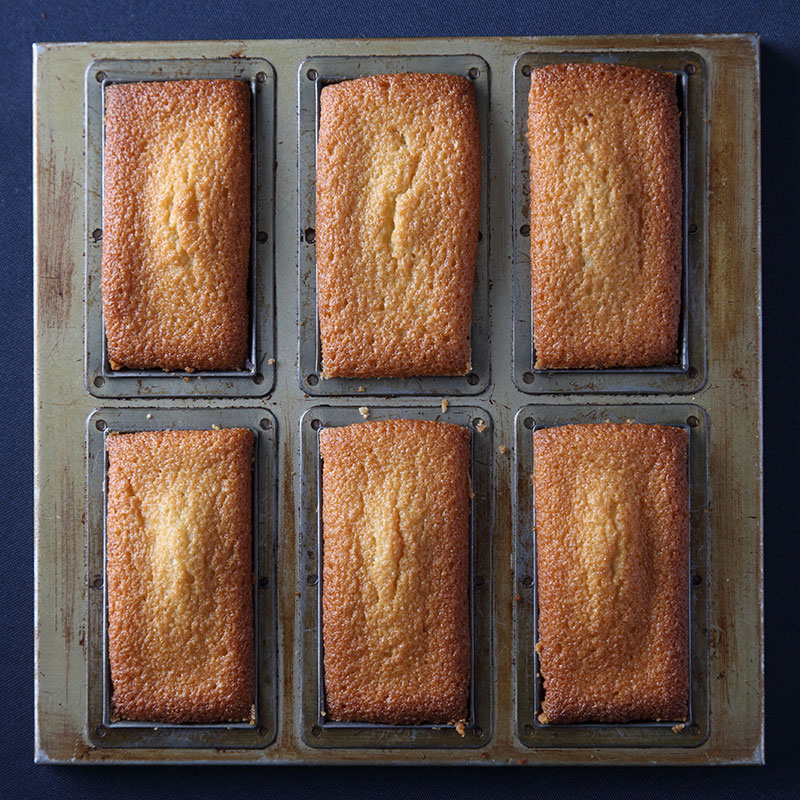
“The euphoria brought about by that aroma and texture is also the joy of eating it freshly baked.”
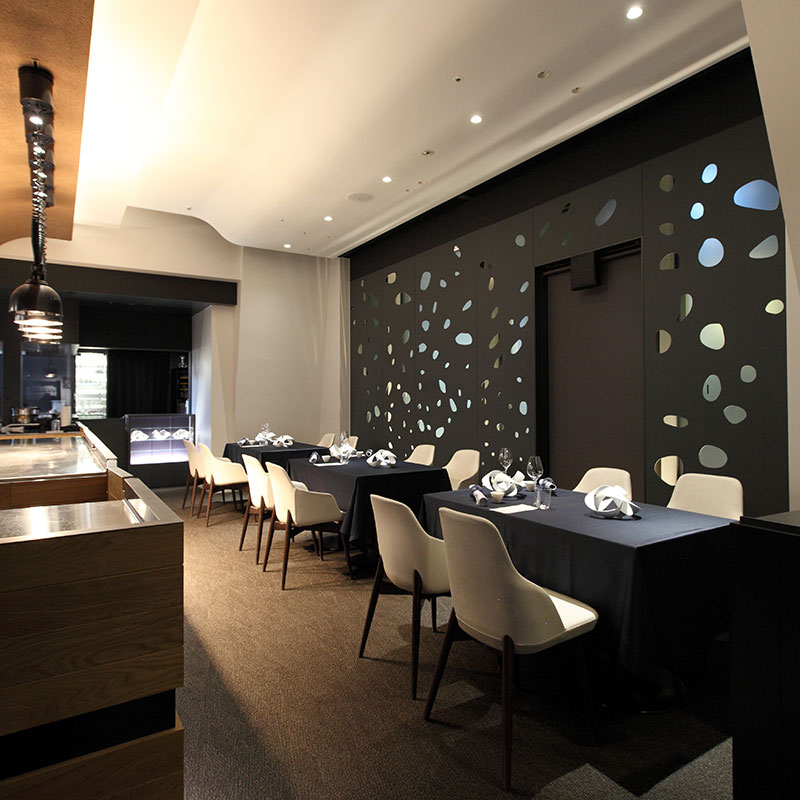
“The shop name, ‘L’aube,’ is a French word meaning a beginning or dawn.”