


Ancient manuscripts provided the clues.
The Lord’s hospitality cuisine, brought back to life.
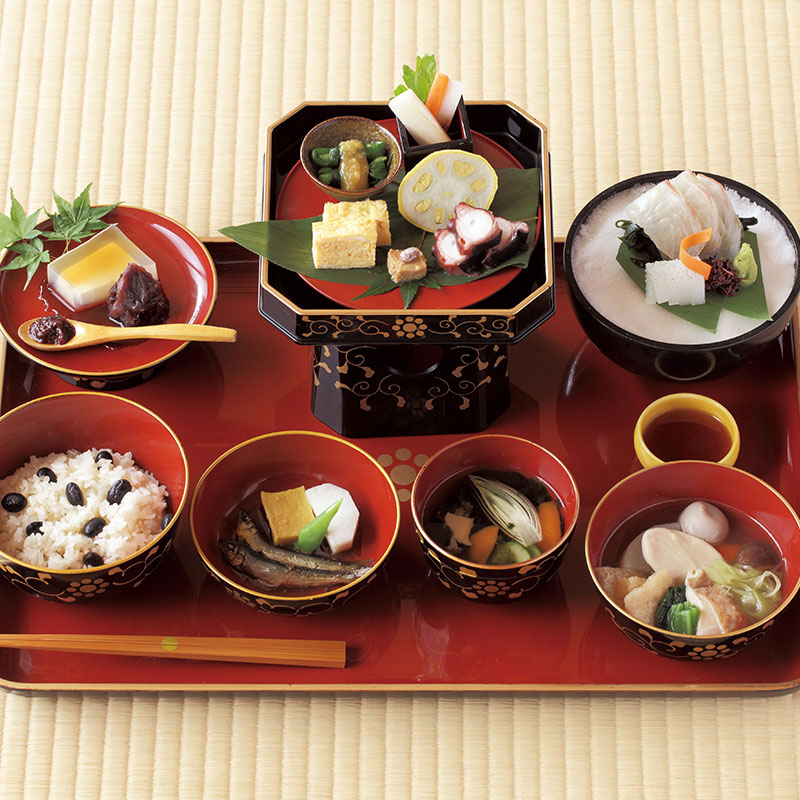
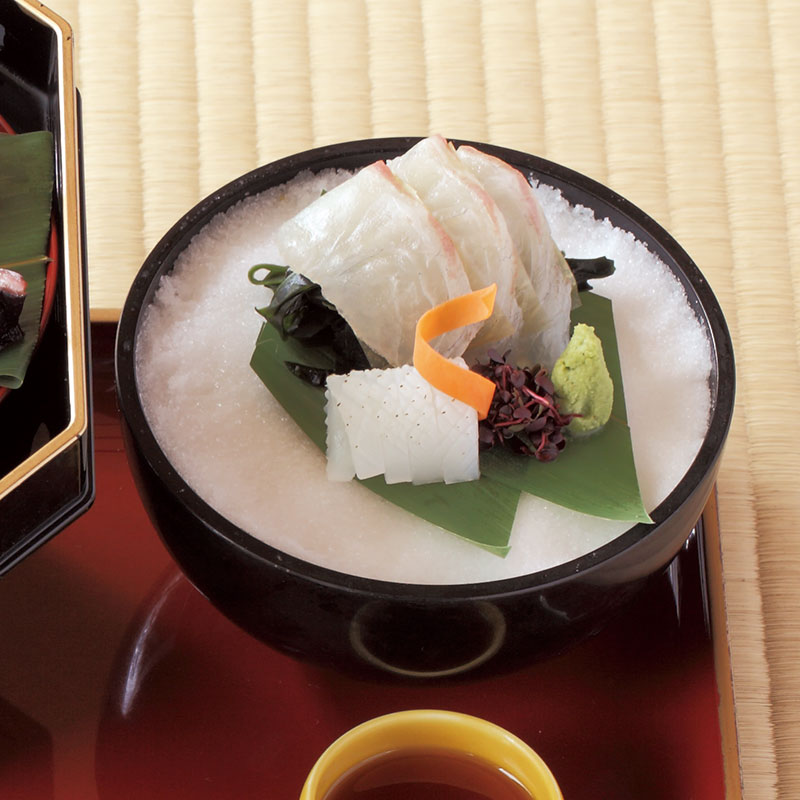
Onamasu
Sea Bream Cured with Kelp
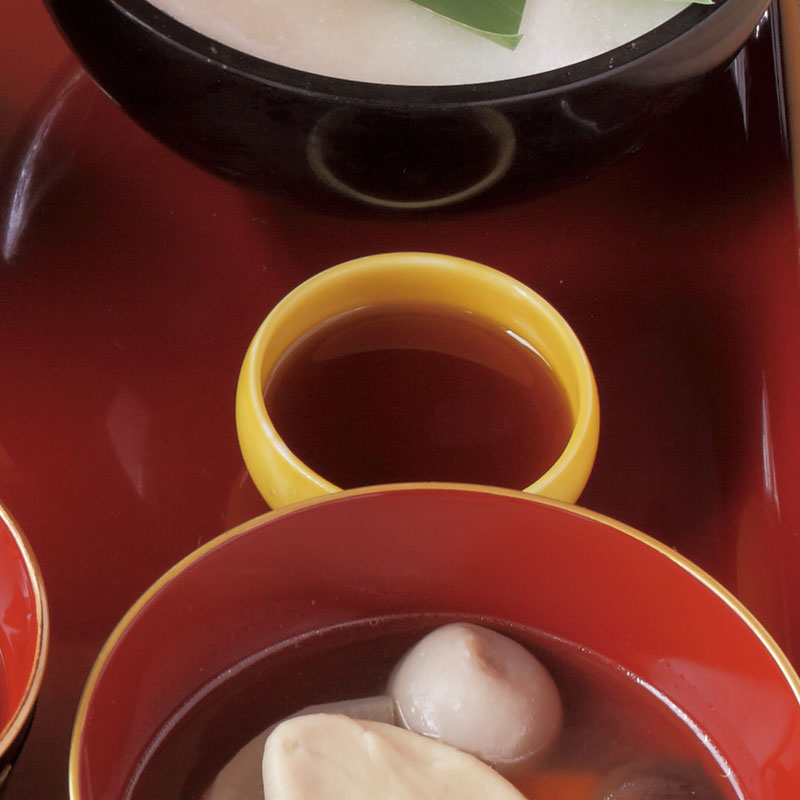
Irizake (Simmered Sake Seasoning)
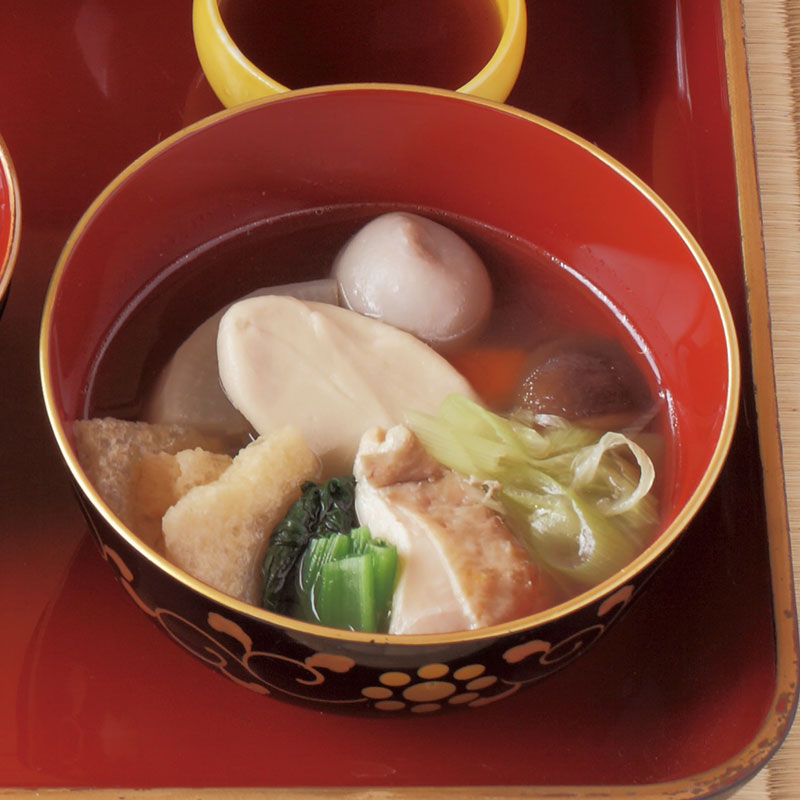
Oshiru (Soup Course)
Kushiito (Thread-like shreds)
Sosorofu (Finely shredded wheat gluten)
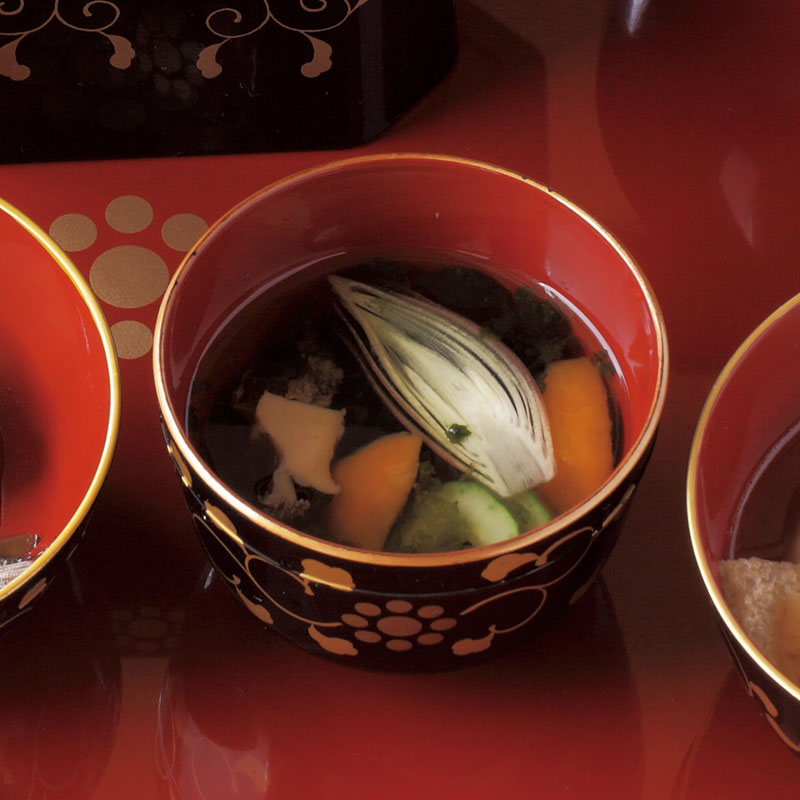
Ochoko (Small Appetizer Dish)
Mizunamasu (Chilled Vinegared Salad)
Abalone
“Snake-eye” Sliced Cucumber
Loquat
Suizenji Nori (Rare Freshwater Algae)
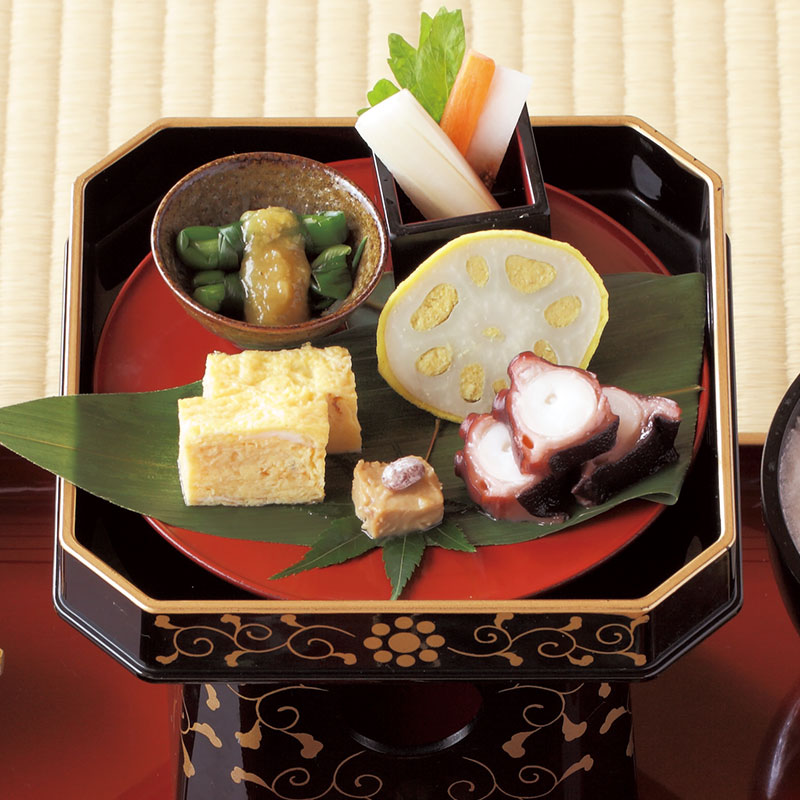
Osakana (Assorted Side Dishes)
Japanese Octopus
Hitomoji no Guruguru (Bundled Green Onions)
Karashi Renkon (Lotus Root with Spicy Mustard)
Tofuko Miso (Miso Paste with Roe)
Kiyomasa Ninjin (Kiyomasa Carrot / Celery)
Hoshikorumame (Dried Fermented Soybeans)
Tofu Pickled in Miso
Tamago Kasuterayaki (Baked Egg Castella)
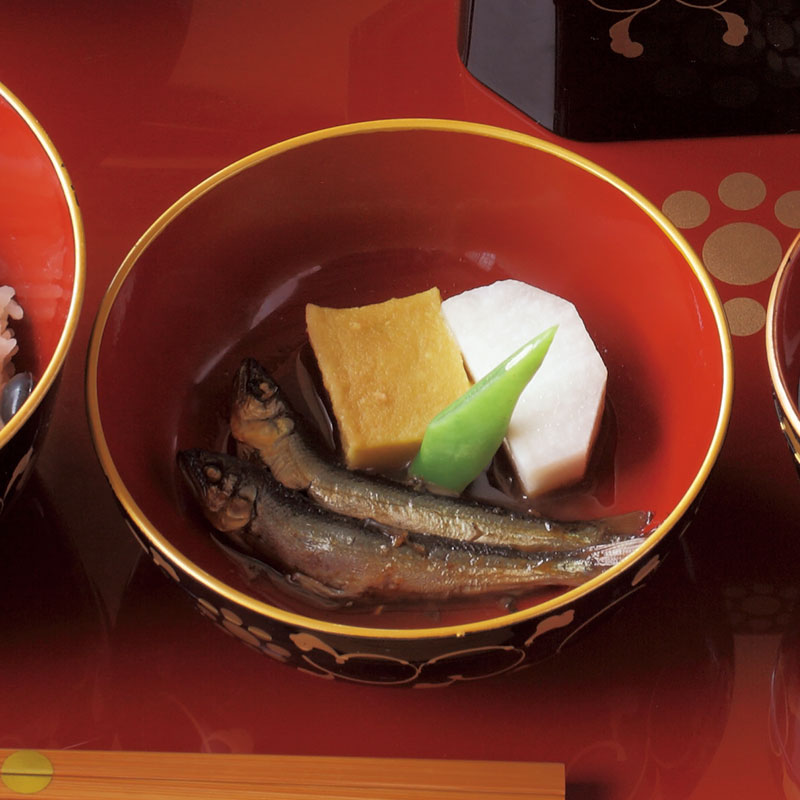
Ohirawan (Simmered Dish)
Sweetfish (Ayu)
Deep-fried Wheat Gluten
Taro Root
Green Beans
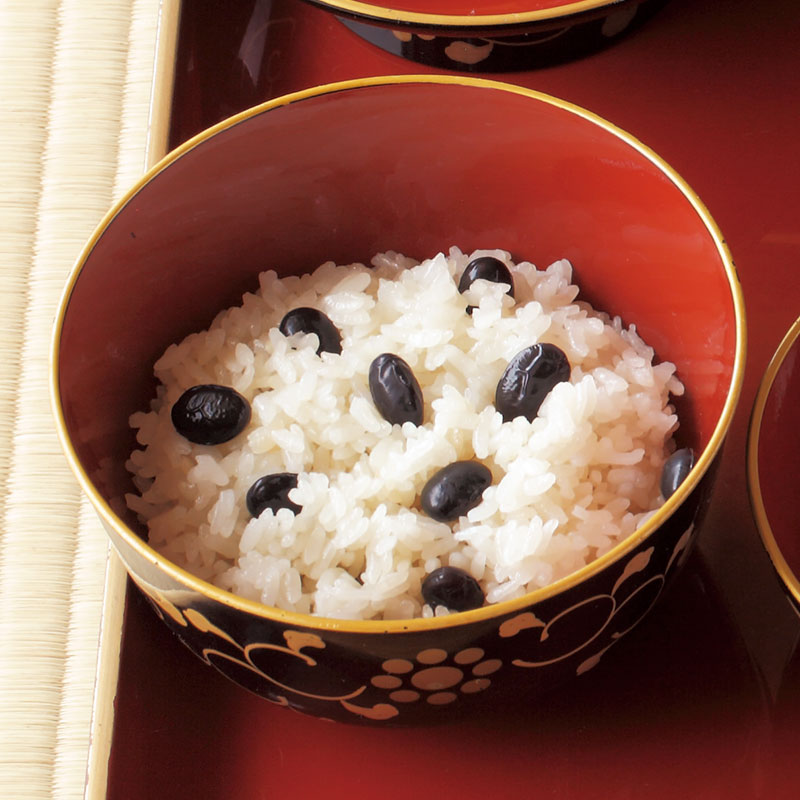
Gohan (Rice Course)
Hotarumeshi (“Firefly Rice”)
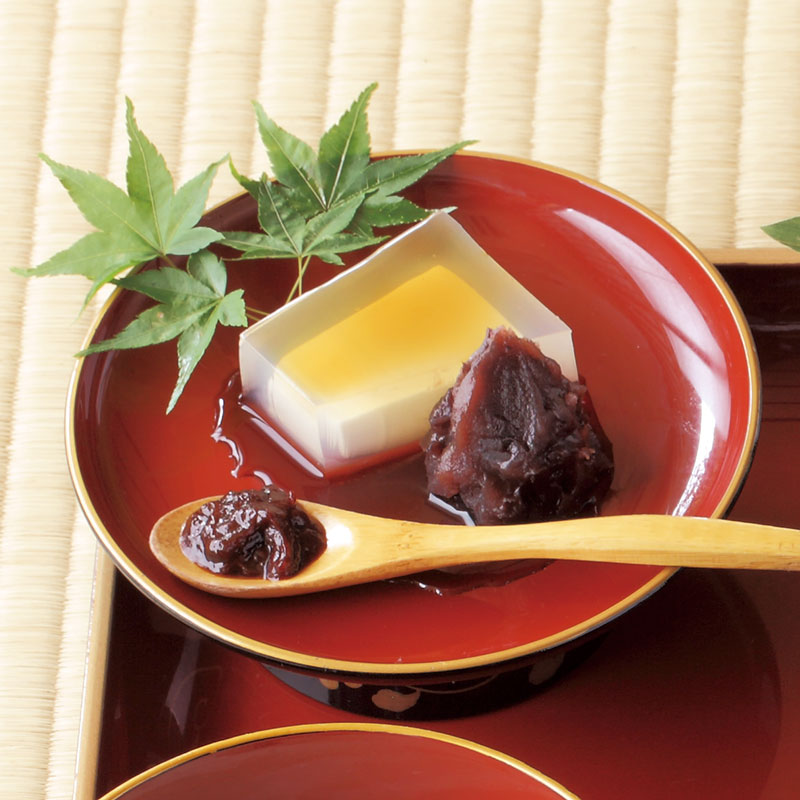
Okashi (Dessert Course)
Suikakou (Watermelon Fragrance)
Reirou Tofu (Translucent “Crystal” Tofu)
Azuki Beans with Kuromitsu (Red Beans with Black Sugar Syrup)
A spirit of welcome, conveyed through each elaborately crafted dish.
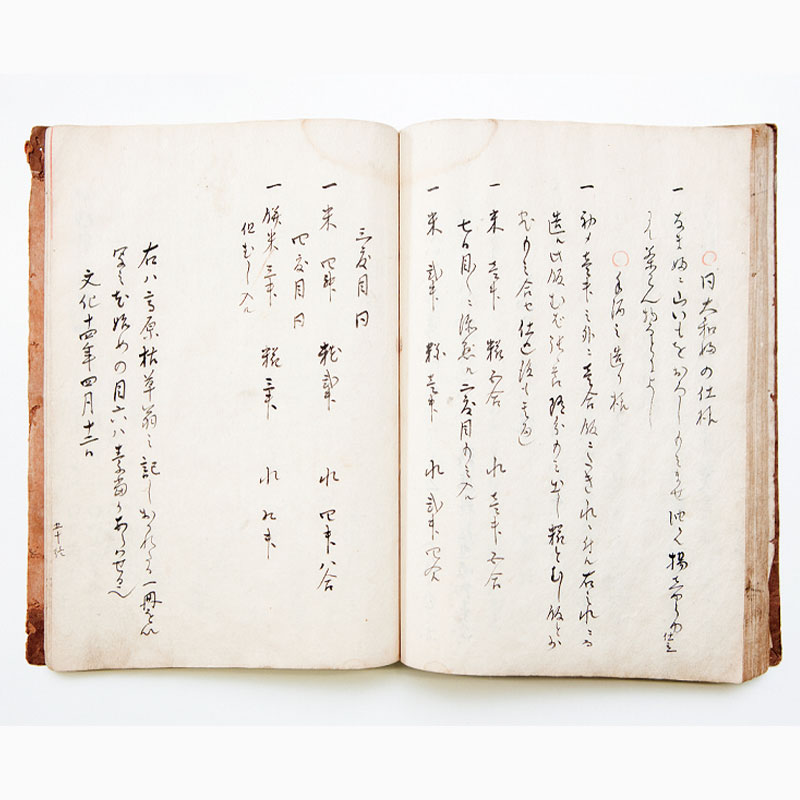
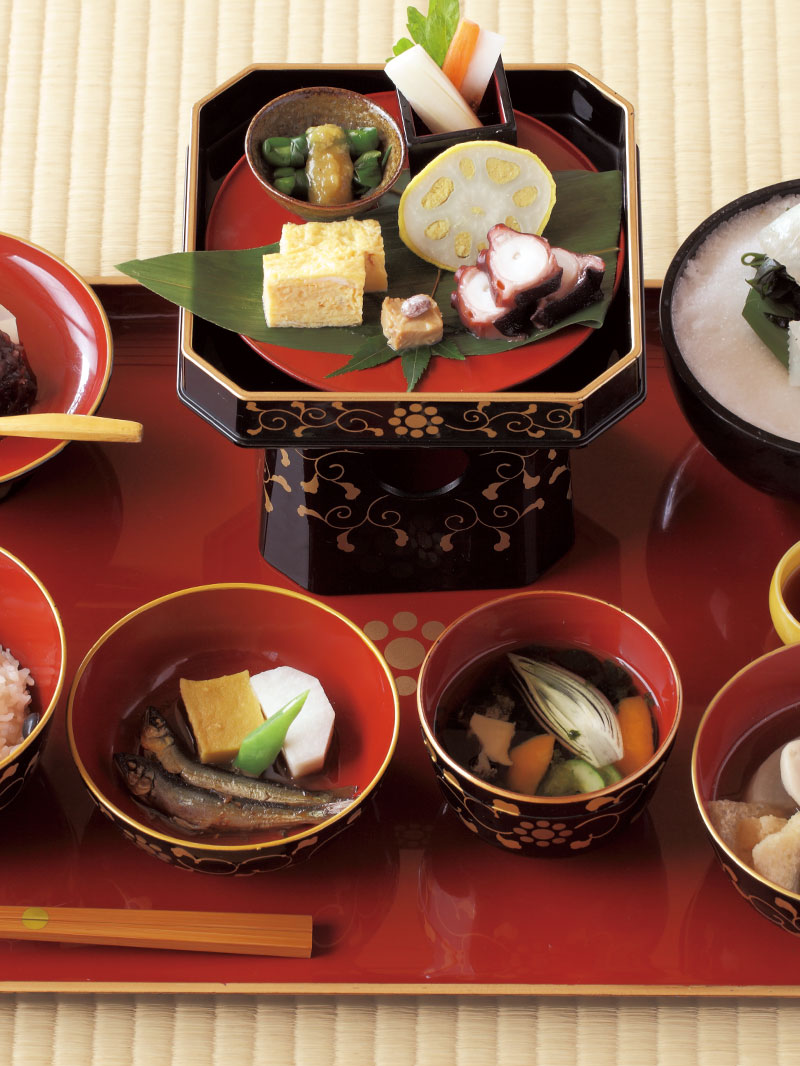
The fact that you can eat the cuisine once enjoyed by the feudal lords of Higo in modern-day Kumamoto—hearing this, I visited “Kumamoto Local Cuisine Aoyagi,” located near Torichosuji in the heart of the city. Based on descriptions in recipe books for food and drink passed down in the Kumamoto Domain, such as Ryorikatahi (The Secrets of Cooking) written by the chef of the ruling Hosokawa family in 1803 (Kyowa 3), and Saijiki (A Record of Seasonal Events) from 1817 (Bunka 14), they have recreated the formal meal that the lord served for the hospitality of his guests, adjusting it to suit modern tastes. Named after Kumamoto Castle, its name is “Honmaru Gozen.”
“The defining characteristic of this meal is that it uses seasonings from an era when soy sauce did not yet exist. Irizake, which had been used since the Muromachi period, was still in use at that time. This is made by simmering shaved bonito flakes in sake. We add Akazake, the local sake of Kumamoto,” says Mr. Nobufumi Tanaka, the dedicated chef for Honmaru Gozen.
Furthermore, the menu includes a confection called Reirou Tofu, which was categorized as a “rare and exquisite dish” in the tofu recipe collection Tofu Hyakuchin compiled in 1782 (Tenmei 2). (It is said this was once a tribute to the Shogunate.) In this menu, one can glimpse the “Wasamon” character of the local people—a term for those who love novelty. Also, hearing that sweetfish (ayu) inhabiting clear streams was a specialty of the Kumamoto Domain, I realized that Kumamoto has been the “Land of Water” both now and in the past.
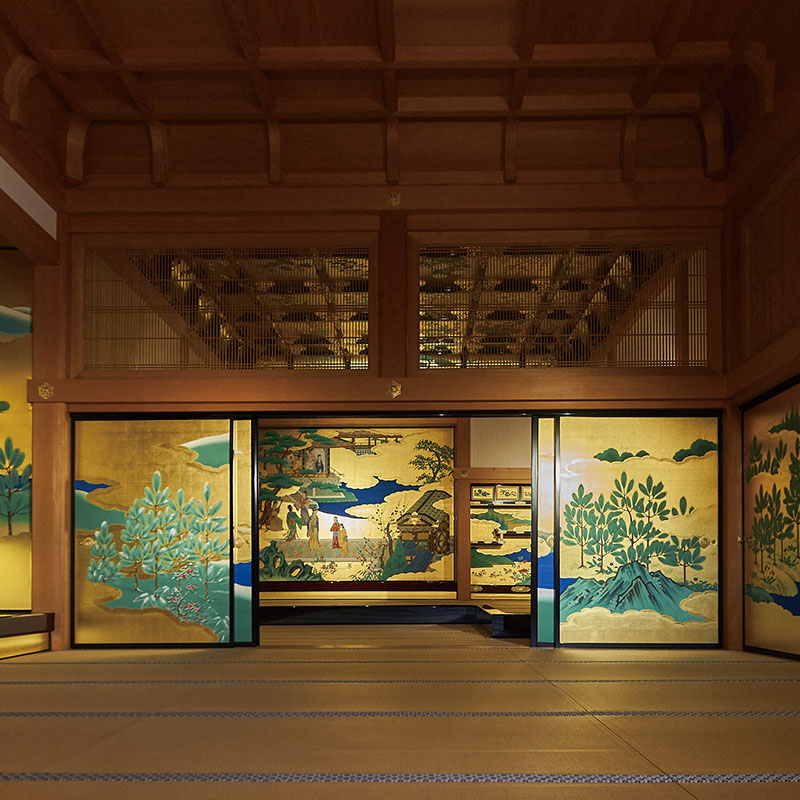
In 2007 (Heisei 19), during the 400th Anniversary of the Construction of Kumamoto Castle, Aoyagi’s meal was selected in a public competition for dishes to be served in the Oondaidokoro (Great Kitchen) of the Honmaru Goten Palace. Since it was opened to the public in April of the following year, it has shared Kumamoto’s cuisine with tourists. However, the Honmaru Goten was damaged by the Kumamoto Earthquake that occurred in 2016 (Heisei 28), and service there was suspended. Currently, it can only be ordered at this restaurant.
*The photo shows the menu as of June 28, 2021. The menu items change depending on the season.