


“Yakiniku” (Japanese BBQ) — Horse Meat Sashimi & Grilled Horse Meat: Ramu
When it comes to Kumamoto’s specialty, horse meat, the image of “basashi” (horse meat sashimi) may be what first comes to mind. However, in Kumamoto—where consuming horse meat is a deeply ingrained culinary tradition—did you know that a wide variety of preparation methods have been developed beyond just sashimi? At Pomodoro, we would like to introduce four ways to enjoy it, specifically for those visiting Kumamoto for sightseeing.
First, we begin with yakiniku (Japanese BBQ). The savory aroma of the fat that rises the moment it hits the heat; A clean, light finish despite the concentrated richness and umami. The true essence of enjoying horse meat as yakiniku is, without a doubt, the “exquisite flavor of the fat.”
We visited “Basashi & Ma-yakiniku Ramu,” which is said to be the pioneer of this style of “eating horse meat as yakiniku.”
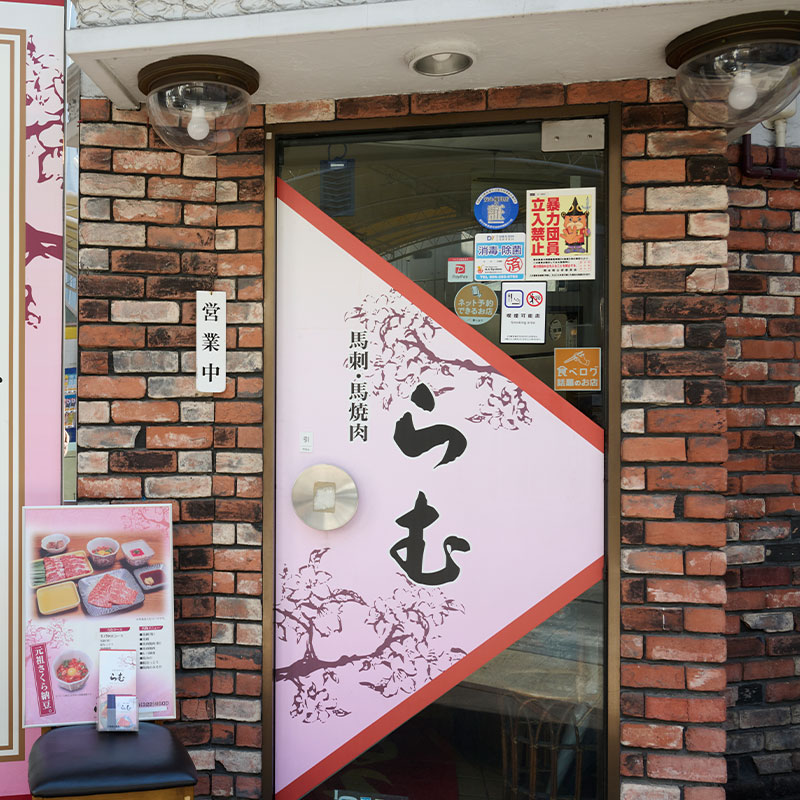
A trio of aroma, sweetness, and umami! Three varieties of cuts and a secret sauce.
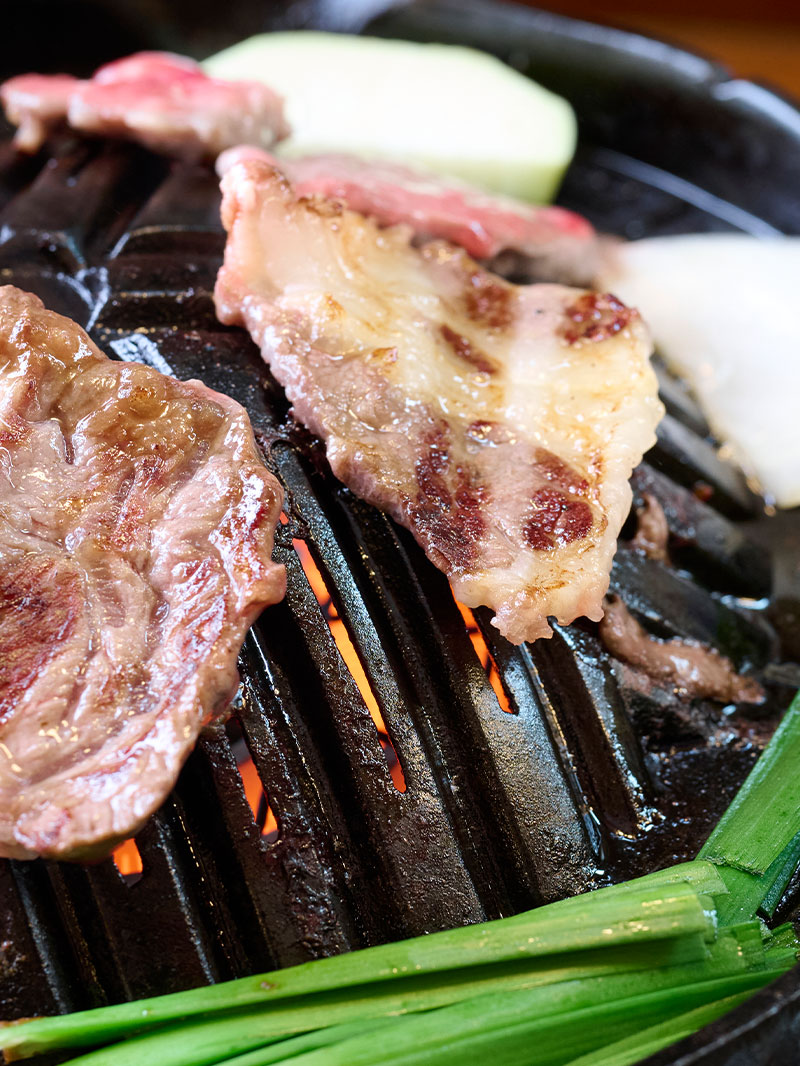
The “Kurashita” (Chuck Roast) allows the sweetness of the fat to spread across your palate, followed by the lingering umami of the lean meat. With every chew of the “Barahimo” (Short Rib), the aroma of the fat gently tickles your nostrils. Finally, the “Fillet” is remarkably more tender than other cuts and has less fat, allowing you to savor the true, inherent flavor of horse meat. Every cut of horse meat that “Ramu” serves for yakiniku is a rare portion, only a small amount of which can be harvested from a single horse. Even more distinctive is the salt-based sauce applied to the meat both before and after grilling; it adds a perfect accent without overpowering the horse meat’s natural aroma or flavor.
“It takes four days to make. This sauce is the lifeblood of the shop,” says the third-generation owner managing the restaurant, Chihiro Koyama (25). This prized sauce is crafted from a base of dashi (broth) drawn from various ingredients and has been passed down using the same recipe since the shop was founded in 1959.
On the other hand, until about a year ago, the yakiniku menu consisted of only two varieties—”Kurashita” and “Barahimo”—and “Fillet” was not offered. It was Chihiro who added a new cut to a lineup that had remained unchanged for over 60 years.
Chihiro grew up watching her father, Hironori (65), the second-generation owner, and began helping at the shop during her high school years. Upon graduating from university, she decided to follow the same path as the father she respects and began working at “Ramu” in earnest. However, at that time, she was met not only with the COVID-19 pandemic but also a decrease in the supply of horse meat and a subsequent surge in prices. They were forced to fundamentally re-evaluate their procurement situation. Amidst these unprecedented headwinds, the “Fillet” was added to the menu at Chihiro’s suggestion.
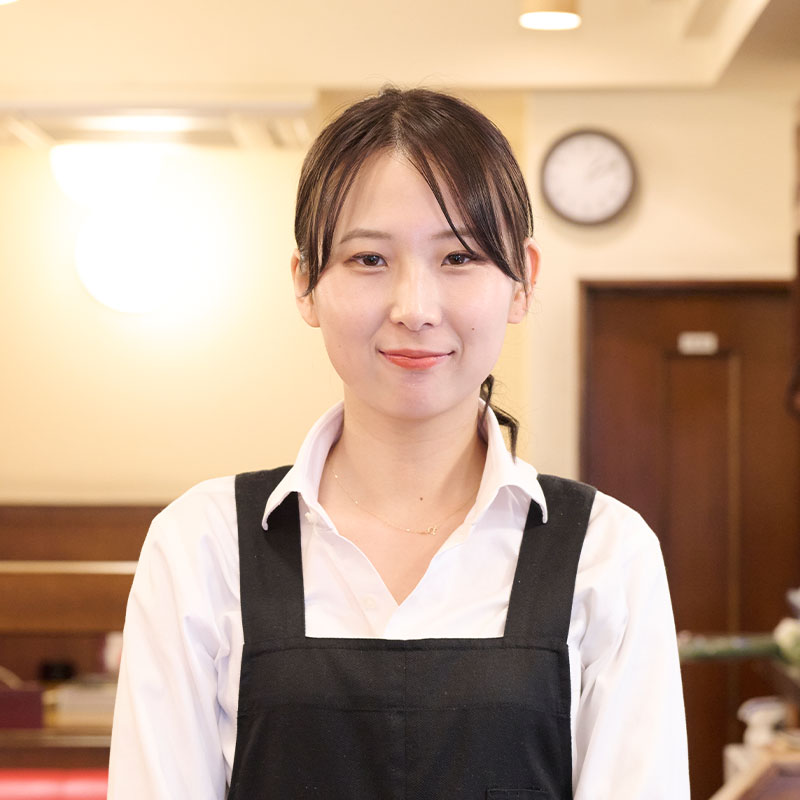
Chihiro Koyama, who runs the shop. Despite being only 25 years old, she is a veteran with 10 years of experience at “Ramu.”
“I had a feeling there were people who wanted to eat lean meat for yakiniku. I also thought that if more customers ordered the fillet, we could distribute the orders effectively, even when our supply of other cuts was limited.”
This led to attracting a new customer base, and Chihiro’s strategy hit the mark perfectly. Today, the yakiniku at “Ramu” has become firmly established with a “triple-mainstay” lineup of Kurashita, Barahimo, and Fillet. Traditions passed down unchanged since the founding, and innovations that evolve with the times—why not come and savor the yakiniku at “Ramu,” a shop that continues to flourish under its young leader?
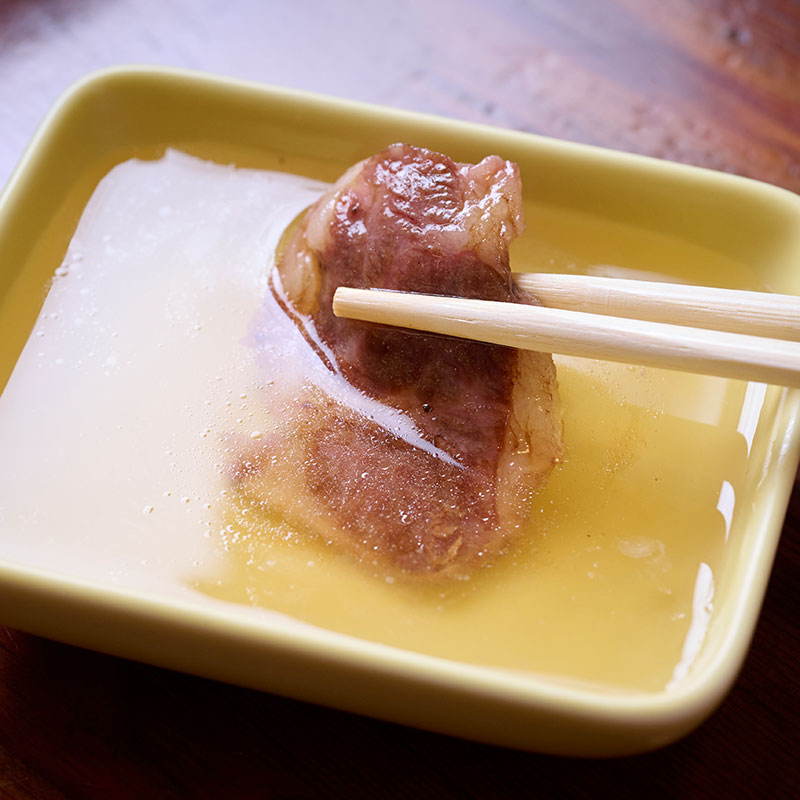
The sauce is also used as a seasoning for other dishes and is the very foundation of Ramu’s flavor.
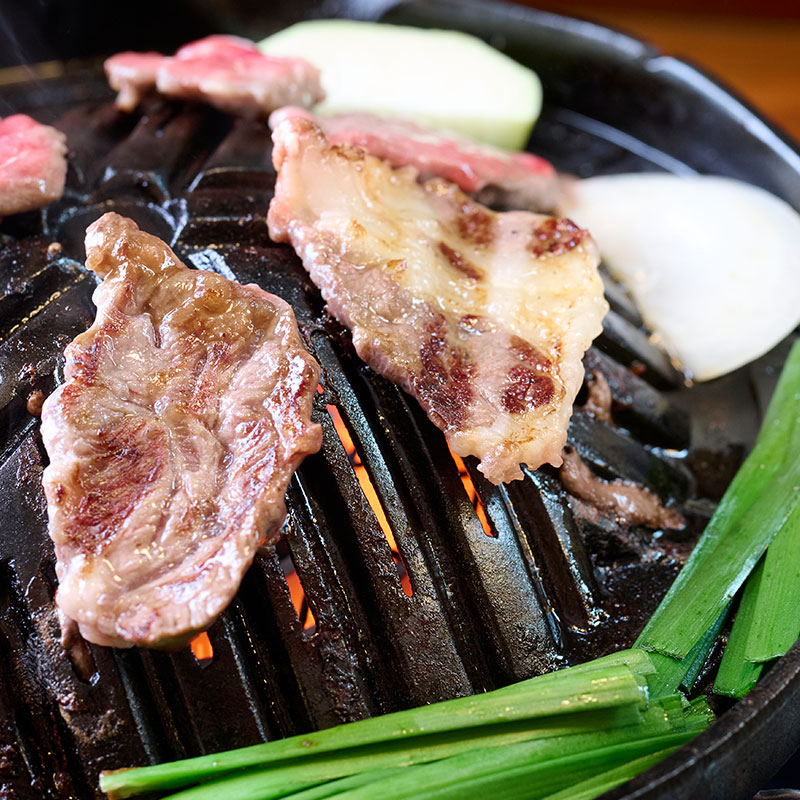
The fat drips away in just the right amount through the gaps in the iron grill, so you can enjoy it without it feeling overly heavy.
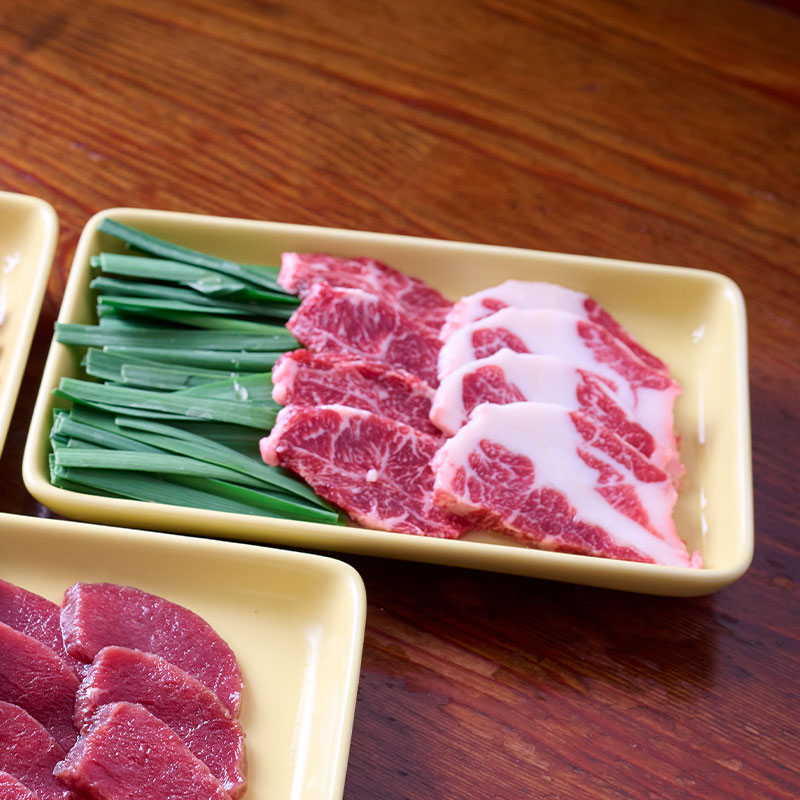
Kurashita (Chuck Roast)
1,540 yen (tax included)
Aroma: ★★☆
Sweetness: ★★★
Meatiness: ★★☆
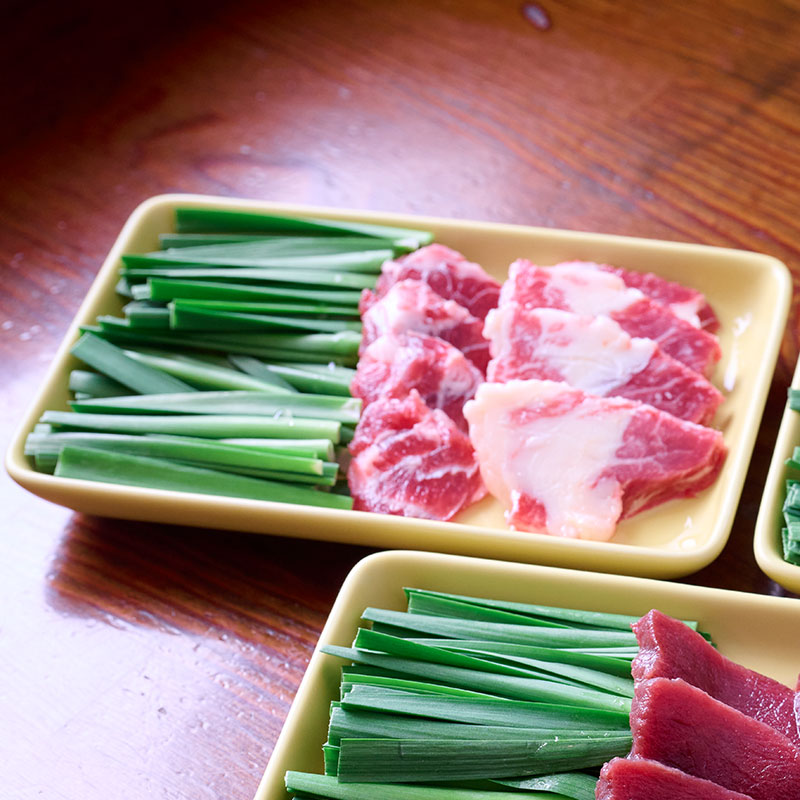
Barahimo (Short Rib)
1,540 yen (tax included)
Aroma: ★★★
Sweetness: ★★★
Meatiness: ★☆☆
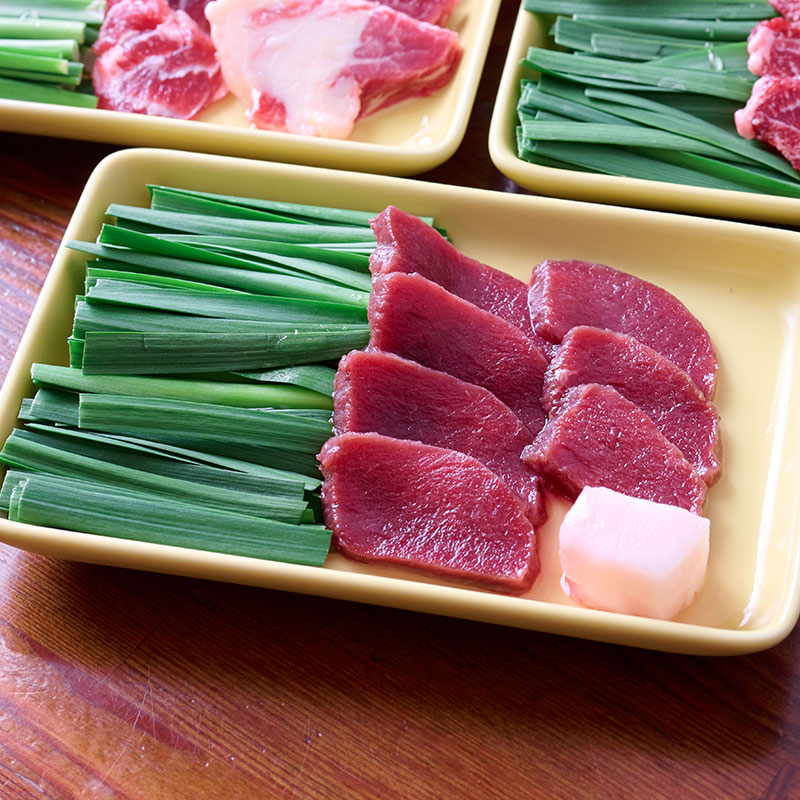
Fillet
1,980 yen (tax included)
Aroma: ★★☆
Sweetness: ★☆☆
Meatiness: ★★★
For the “Fillet,” just a light sear is enough. You can fully enjoy its tender texture.
Although it is only open for four hours a day and has just 34 seats, many fans visit from outside the prefecture, so reservations are essential on weekends!