


“Into the world of ‘ASO MILK’—recognized by the world.”
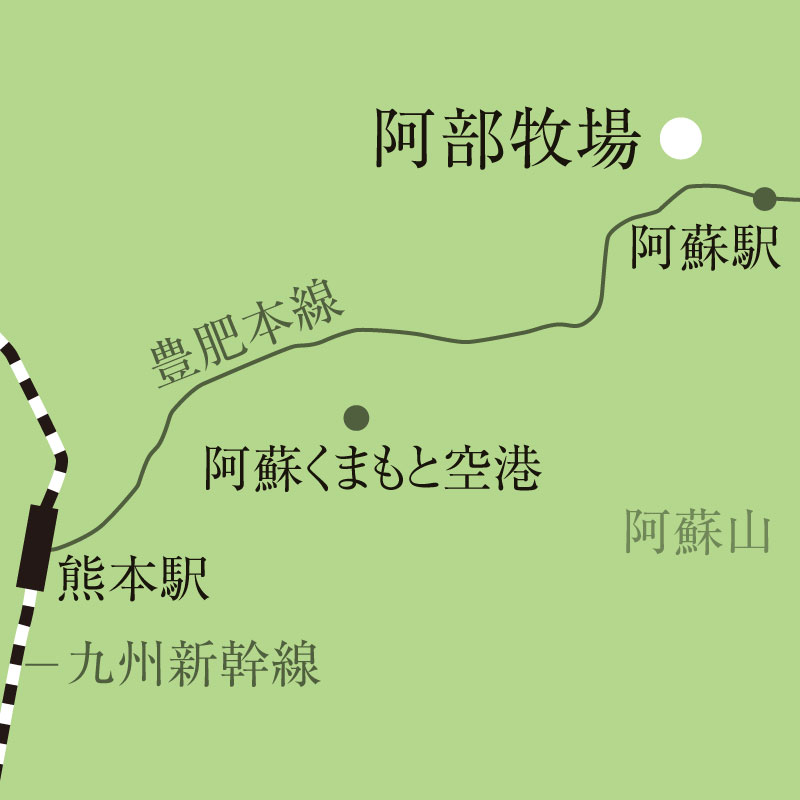
Mikubo, Aso City, Kumamoto Prefecture. In this land where majestic mountains and vast grasslands stretch out, lies Abe Farm—the birthplace of high-quality milk recognized by the world. What exactly lies behind its success? We will introduce the secrets of “ASO MILK” along with plenty of delicious souvenirs.
Raising healthy cattle. Delicious milk is the “result.”
In 1968, Abe Farm began with a single cow. “My family has been dairy farming in Aso since my father’s generation, and since this land had abundant grass, we used that as feed,” says the farm owner, Hiroki Abe. At a time when many dairy farmers were importing inexpensive feed from overseas, it is said that Abe Farm was devoting its energy to “grass-making.”
“Since our founding, we have been conscious of making the most of nature’s blessings. The cows eat the pasture from the great grasslands of Aso and drink clean groundwater; their compost is returned to the earth, and new pasture sprouts from the nutrient-rich soil. This way of life, unchanged since ancient times, exists on our farm.” At Abe Farm, this sentiment is communicated to the staff and the public as the concept: [Raising cattle is raising grass; raising grass is raising soil].
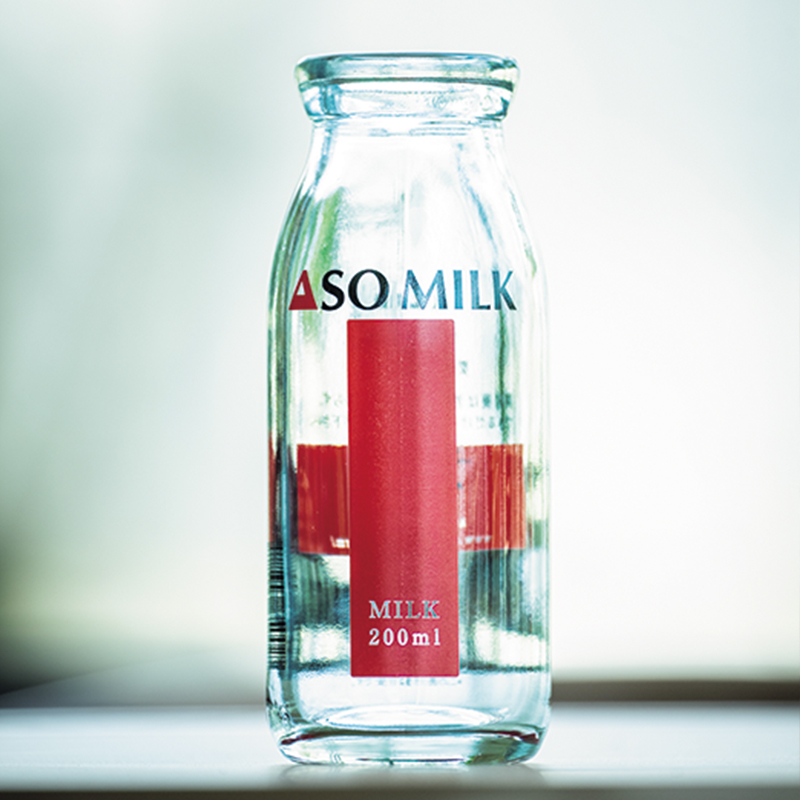
I tried “ASO MILK” right away. First, what surprised me was its refreshing quality. It has almost none of that typical “milky” odor, and the aftertaste is clean and crisp. Yet, it is an exquisite flavor where you can certainly taste the sweetness. From the aroma, scenes of the grasslands seemed to come to mind. I believe this lack of strong distinctiveness makes it suitable for cooking and sweets, and I would also recommend it even to those who aren’t fond of milk.
Normally, the milk we consume is a product where dairy manufacturers travel around the regions where farms are located, collect raw milk, and sterilize it in large plants before releasing it to the world. In other words, it is milk where the milk from several different farms has been mixed together. Furthermore, while 90% of the milk currently on the market is processed using ultra-high temperature (UHT) pasteurization—a method of heating at 120–150°C for 1 to 3 seconds—Abe Farm’s milk is low-temperature pasteurized at 63°C for 30 minutes. While low-temperature pasteurization takes more time, it allows the milk to be sterilized while losing almost none of the original sweetness, flavor, or richness of the raw milk. This kind of commitment is the strength of a farm that possesses its own brand and is the secret to its deliciousness.
“Rather than producing delicious milk, we raise our cattle with the mindset of rearing healthy cows. Our perspective is that a healthy cow gives birth, and we receive the milk she produces for that calf.” As Mr. Abe spoke of the cows being the protagonists, his eyes seemed to sparkle brilliantly. Why is he able to become so captivated by his work for the sake of the cows? Within that lies the story of Mr. Abe’s life and the changes in the environment.
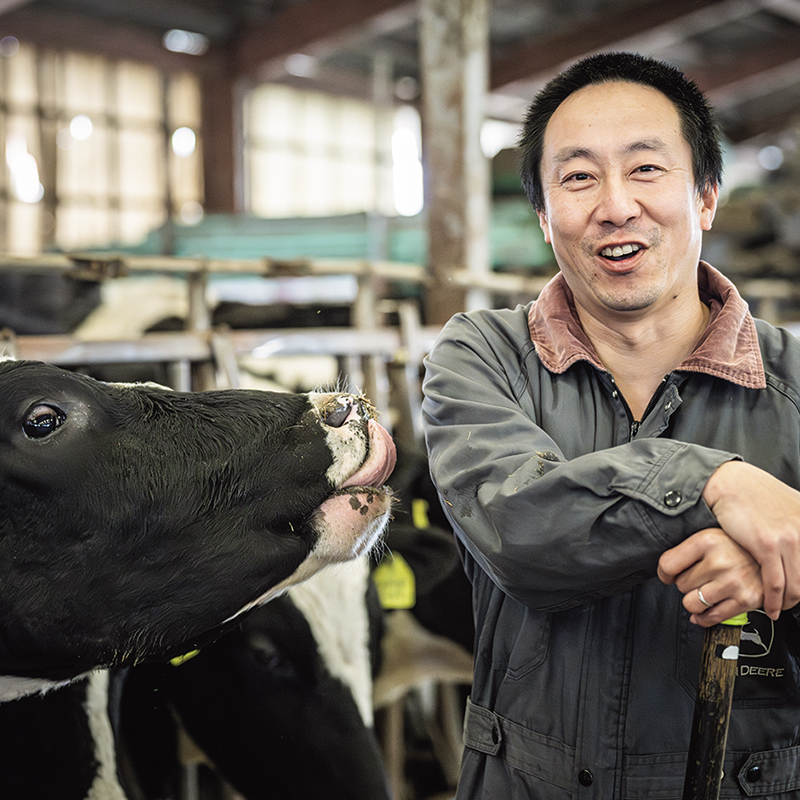
The farm owner, Mr. Hiroki Abe. During the photoshoot, there was not a crowd of people, but a “crowd” of cows around Mr. Abe. Somehow, the cows seem happy, too.
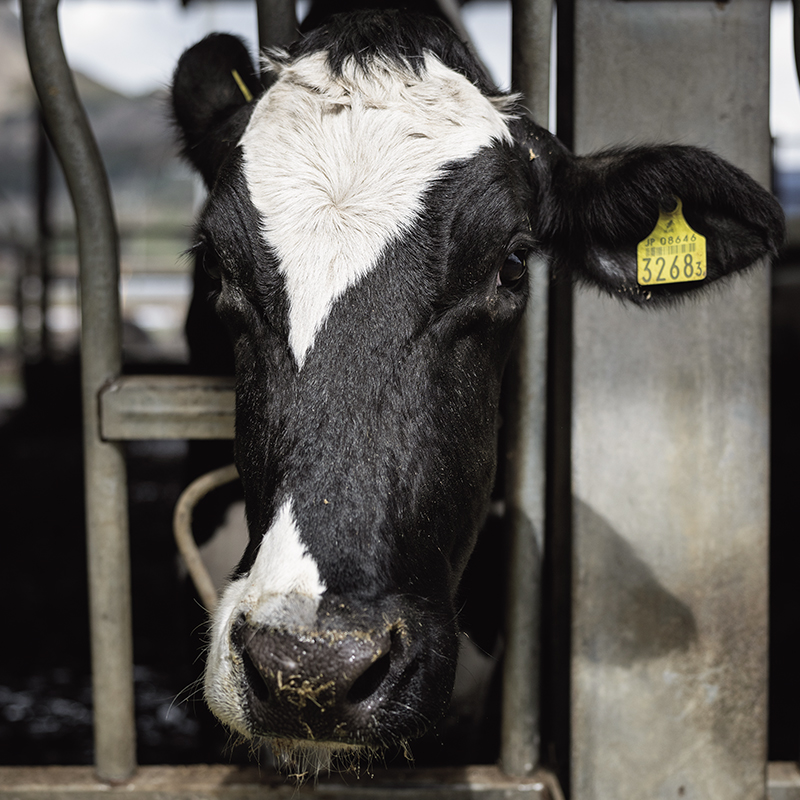
As of March 18, 2024,
the herd consists of 775 cows.
The daily raw milk yield is approximately 11 to 12 tons.
“Even if we clash, I choose a method different from my father’s.”
Mr. Abe was interested in pursuing a career in graphic design. It is said that he worried a great deal about his future. After much agonizing, he ultimately decided to study specialized knowledge of dairy farming at Obihiro University of Agriculture and Veterinary Medicine in Hokkaido, and chose to return to his hometown after graduation.
However, problems began to arise while he was involved in dairy farming as a way of helping his parents. “I clashed with my father several times. When I would participate in dairy farming study groups or gather the latest information, I would find myself wanting to put it into practice. When I did, it would no longer align with my father’s methods. For example, a cow has four teats, but when my father performed the milking, he would take a long time to wipe not just the teats but the entire udder clean.
But, milk begins to flow from a cow about 45 seconds to a minute after a calf starts suckling. Therefore, I thought my father’s method would actually be stressful for the cow, so I changed it. However, my father said, ‘That is not right.’ Because he has the temperament of a craftsman, it was difficult to get him to understand even if I explained it with logic.”
Even so, Mr. Abe did not give up on his own way and pushed forward with reforms in his approach to cattle raising. “In terms of feed, my father only let the cows eat the grass that was naturally growing, but I sowed new seeds and increased or changed the varieties of grass. Now, I provide five types of pasture grass, changing the blend according to the cow’s stage of growth. My father said this was what finally led him to acknowledge me. Though it was quite a while later (laughs).”
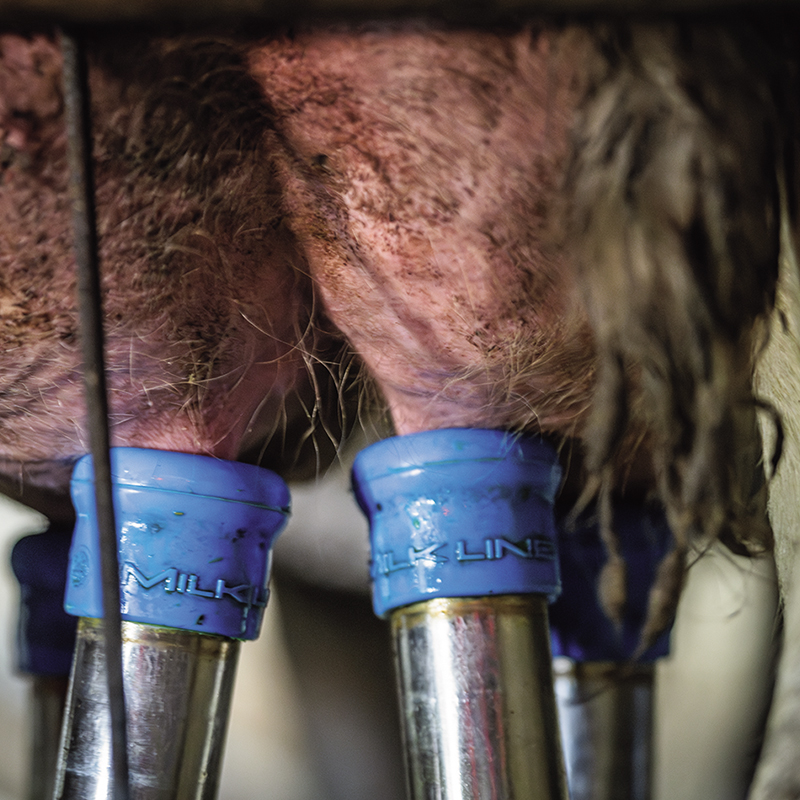
“The scene of milking. The cows form a long line, as if to say, ‘I want to be milked.'”
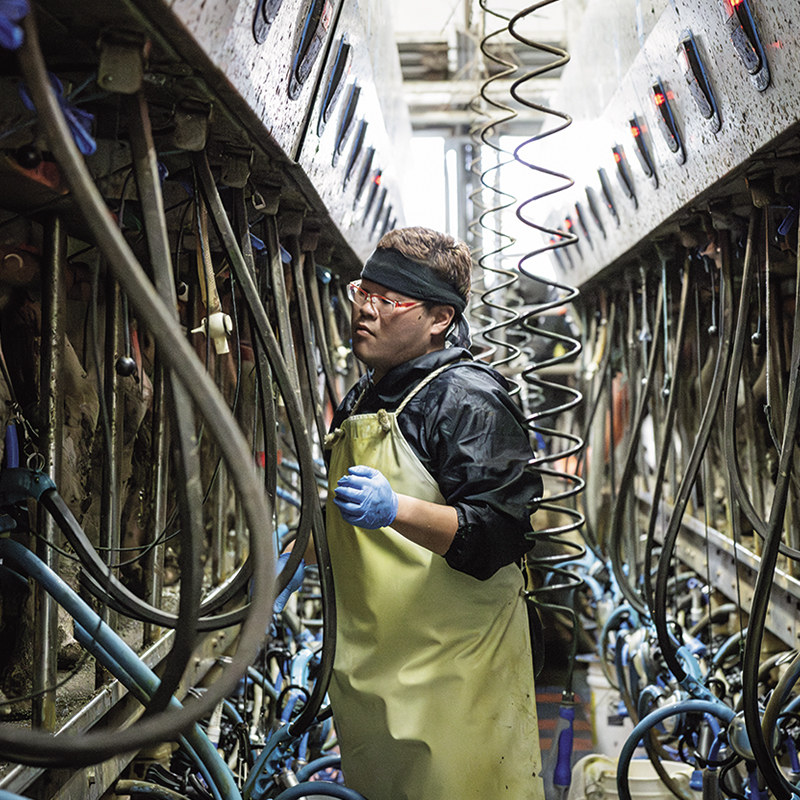
“At peak times, approximately 400 cows are milked in a single day.”
“Overcoming the disaster, realizing local pride.”
Mr. Abe visited milk plants all over Japan. He saved up funds and, after six years of meticulous preparation, launched his own brand, “ASO MILK,” in 2010. “It is a dream for a dairy farmer—to release milk to the world under one’s own name.” Just as he had established the brand and the business was growing steadily, the Kumamoto earthquake struck.
“Since 88% of raw milk is water, water is vital for cows. Aso is rich in groundwater, so we used to pump it up through pipes, but the earthquake shifted the ground and the water stopped flowing. Having no other choice, we transported water manually from a water source 1.5 km away. Since 60 tons were needed for drinking water alone, the total amount—including water for milking and cleaning—became enormous. Our staff stayed overnight at the ranch and transported it on a 24-hour basis.”
Just as everyone was exhausted and their spirits were on the verge of breaking, an event occurred where they were supported by human warmth.
“We received various kinds of support. For example, a truck driver I knew brought a tank for storing water all the way from Fukuoka. He left without even accepting any money as a token of thanks. I found out later that even though he had broken ribs, he had driven the truck from Fukuoka with his daughter’s assistance. I am so grateful, aren’t I?”
Having felt the connection between people, it is said that Mr. Abe was made to realize the importance of cherishing the pride in creating, no matter how difficult the times may be.
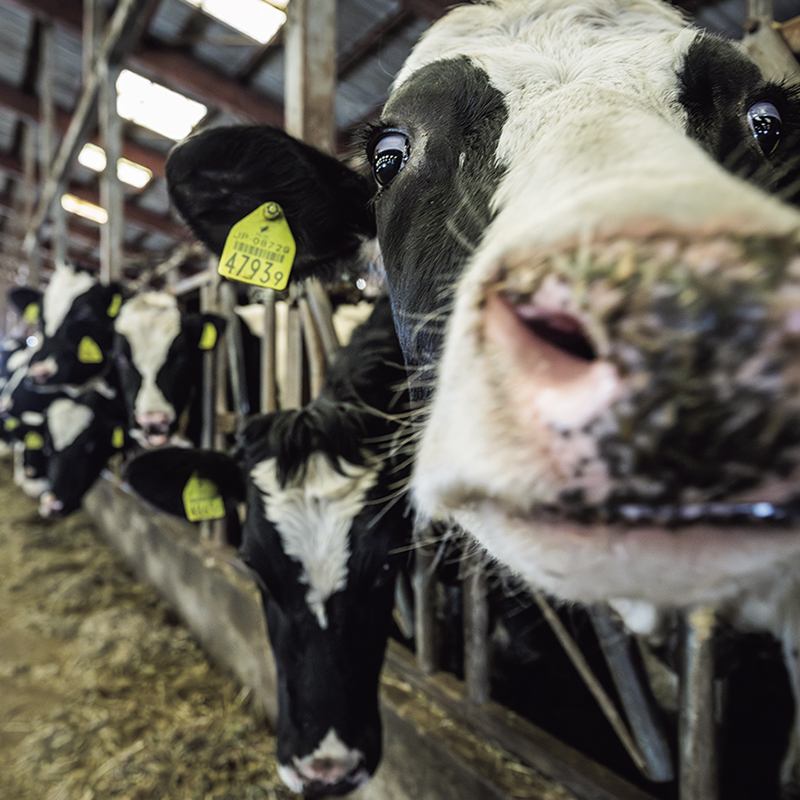
“At Abe Farm, the cows enjoy all-you-can-eat pasture, all day long.”
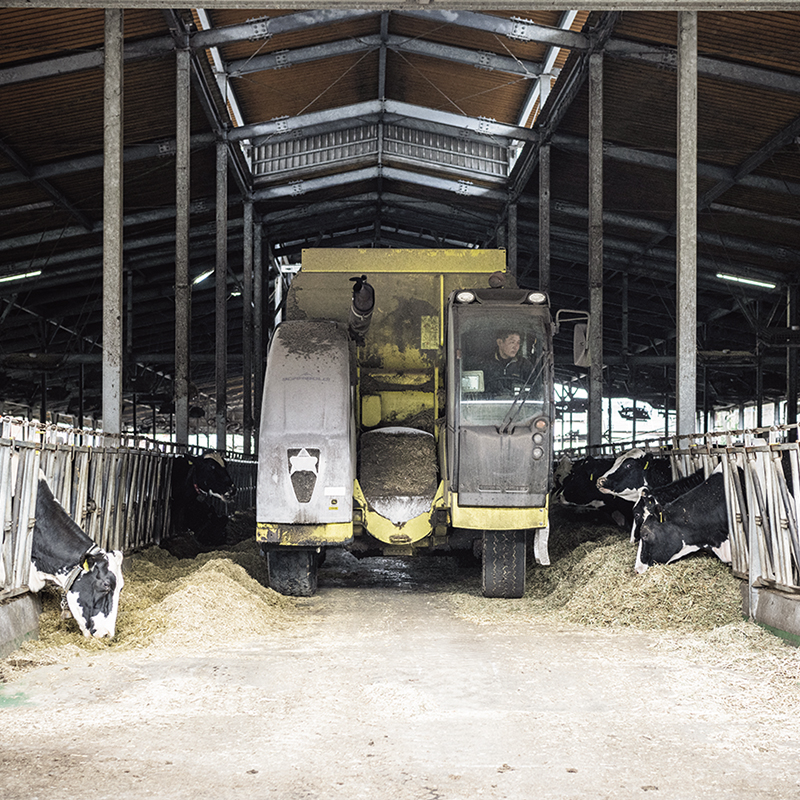
“A mixing feeder that carries vast quantities of pasture right in front of the cows.”
“Awarded three stars.Behind this achievement,conviction and giving back.”
Even if their own internal structure managed to hold out, the overall situation did not improve immediately. “During the earthquake, no customers came, and there were no sales outlets. There was an effect on the cows as well; they become unsettled whenever the seismic intensity reaches 4 or higher. It is stress. Some cows stopped going into heat or became unable to conceive—the equivalent of irregular cycles in humans.”
A painful situation, and anxiety about the future. Thinking only of the short term, there was an option to buy cows from elsewhere to maintain the volume of raw milk. However, even in the face of hardship, Mr. Abe continued the initiatives he had built up until then.
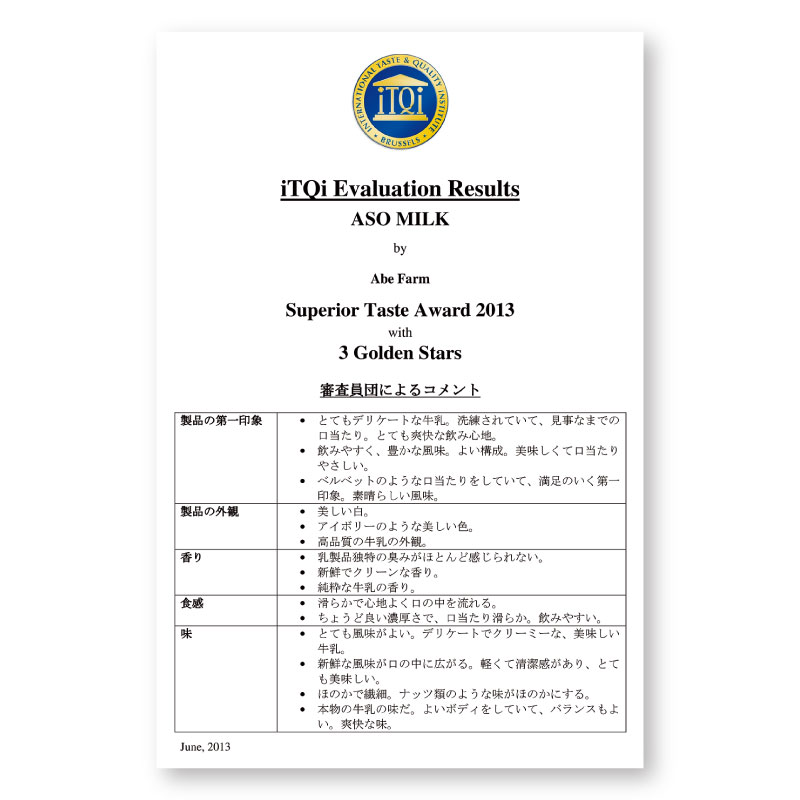
“Our major task is the breeding of our cattle. The average lifespan of a dairy cow is about seven years. Therefore, after their first birth at age two, they finish their lives after about five pregnancies and births. We are merely receiving blessings through our assistance in that process. I felt there was no need to fundamentally change that mindset and approach, which has continued since my father’s generation.” I felt that this will at his core is the very reason why the “ASO MILK” brand is so loved. In fact, “ASO MILK” has been awarded three stars—the Superior Taste Award—by the iTQi (International Taste Institute), often referred to as the Michelin Guide for food, for both its milk and its drinkable yogurt, a first in Japan.
At this time as well, what came to mind was giving back to the land of Aso. “In 2012, Aso was struck by the Northern Kyushu Heavy Rain, and this area suffered damage such as floor-level flooding, which was a major blow to tourism. Hoping it would become one piece of bright news, I took on the challenge in 2013, and being able to receive the award was a blessing.”
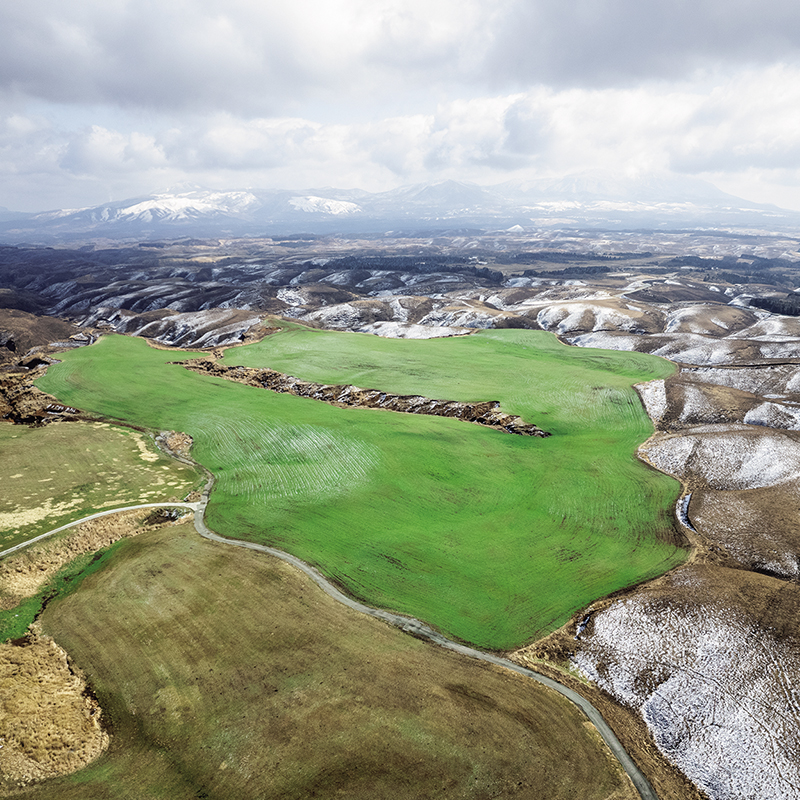
“Mid-March, with snow still remaining.
The pastures of Abe Farm, visited for this interview.
The blackened, scorched areas are the traces of noyaki (controlled burning).”
“What I want to convey to the children of Aso.”
Finally, I asked Mr. Abe about the future he envisions. “What I want to achieve is bringing the site of food production and the consumer closer together. When I went to visit a rural town in Italy called Pontirolo Nuovo for cheesemaking, I was shocked by what I saw there. On the main street, which was lined with several pizza restaurants, tractors carrying incredibly smelly raw manure were wandering about. Furthermore, they were dropping the manure bit by bit. If such a thing happened in Japan, it would be a source of complaints, wouldn’t it? So, I tried asking if anyone would complain. Then they said, ‘What are you talking about? It is thanks to them that we can eat delicious pizza every day.’”
It is a scene that should have been commonplace in Japan as well. However, Mr. Abe says that in modern times, where delicious things are taken for granted, the distance between producers and consumers only continues to grow.
Precisely because Mr. Abe harbors such a sense of crisis, he has become a messenger himself, giving lectures at universities and visiting local elementary schools to observe how the children drink their milk. Additionally, since 2021, he has opened “ASO MILK FACTORY” as a directly managed shop. It fulfills a role like a roadside station, handling not only his own company’s products but also local agricultural produce. He operates it as a place that truly brings the production site and consumers closer together—allowing visitors to tour the cheese and sweets workshops so they can see the faces of the creators, and offering the chance to taste freshly milked deliciousness at the restaurant and cafe.
“For example, in April, ‘ASO MILK FACTORY’ distributes free soft-serve ice cream vouchers to all new elementary and junior high school students in the area. You want them to know, don’t you—that there is delicious soft-serve ice cream in their hometown. In November, we also hold an ‘Acorn Exchange.’ If children from nursery schools or kindergartens collect acorns and bring them in, they can exchange them for soft-serve ice cream. Everyone is so earnest about it.” As Mr. Abe spoke, his expression was peaceful and full of hope for the future.
When you visit Aso, Kumamoto, why not play, eat, and shop for souvenirs at “ASO MILK FACTORY”?
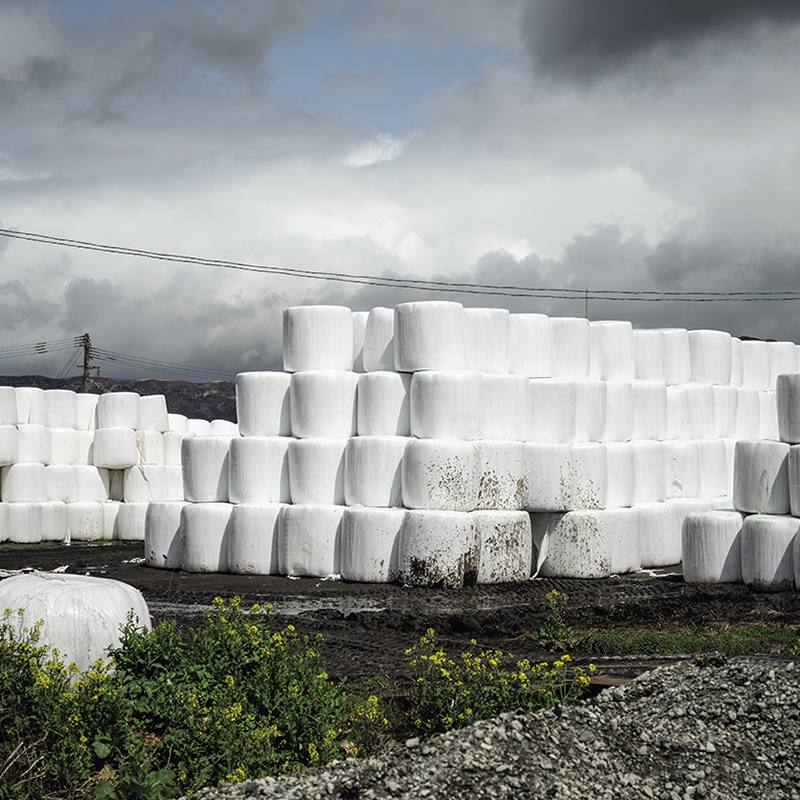
“Stacked rolls of pasture grass.”
“Deliciousness delivered directly: ASO MILK FACTORY”
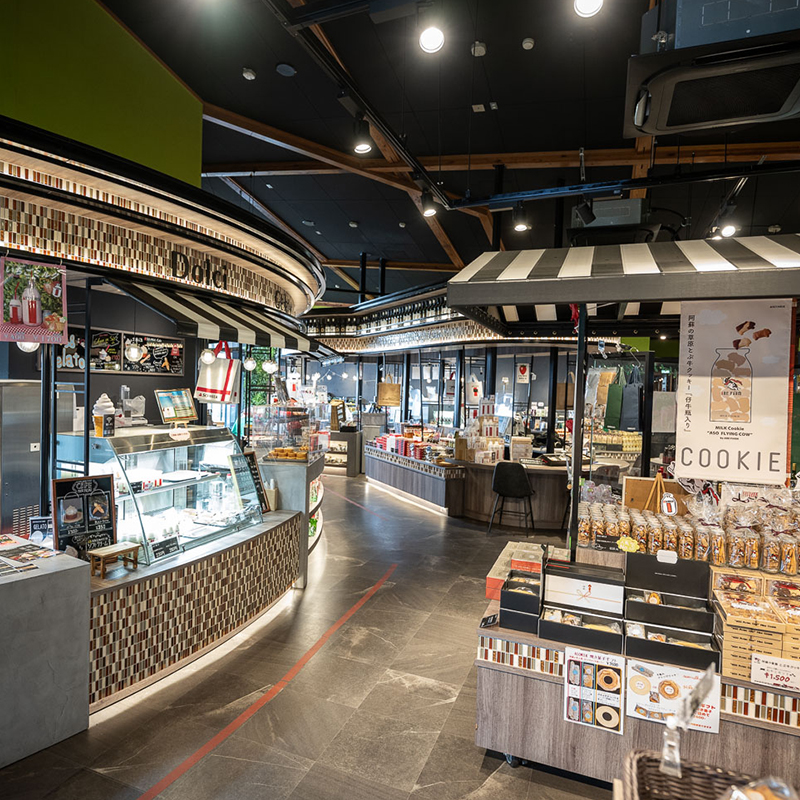
ASO MILK FACTORY
A gourmet park where a cafe, shop, and restaurant are integrated as one. You can buy freshly harvested agricultural products from Aso and taste freshly prepared dishes that use “ASO MILK.” We introduce the charms of “ASO MILK FACTORY,” where you can eat, play, and spend your time.
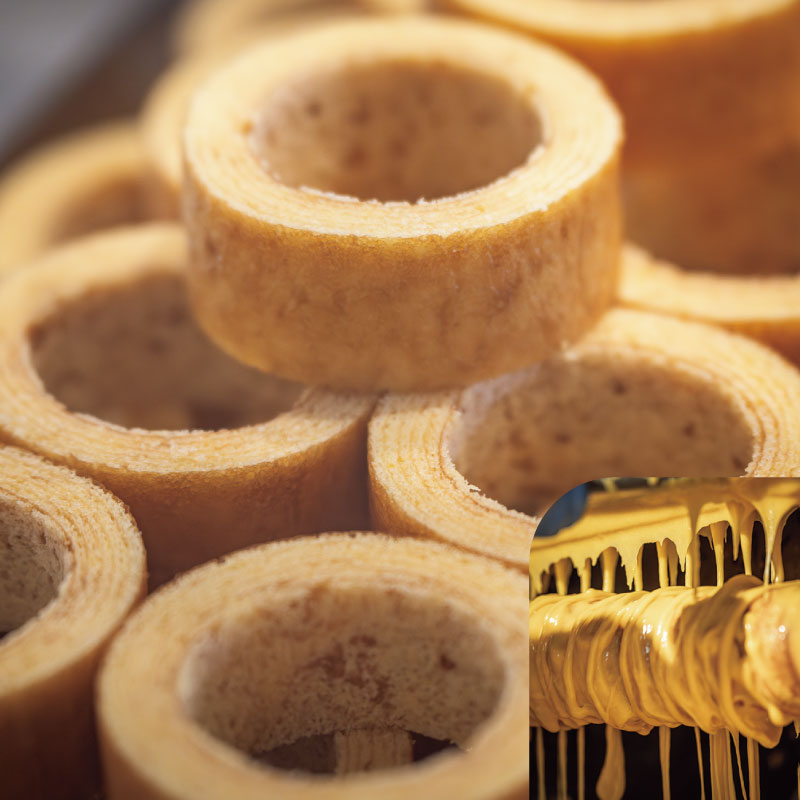
“Observe the process of baking Baumkuchen at the sweets workshop. The dripping batter and drifting sweet aroma beckon visitors toward the souvenir corner.”
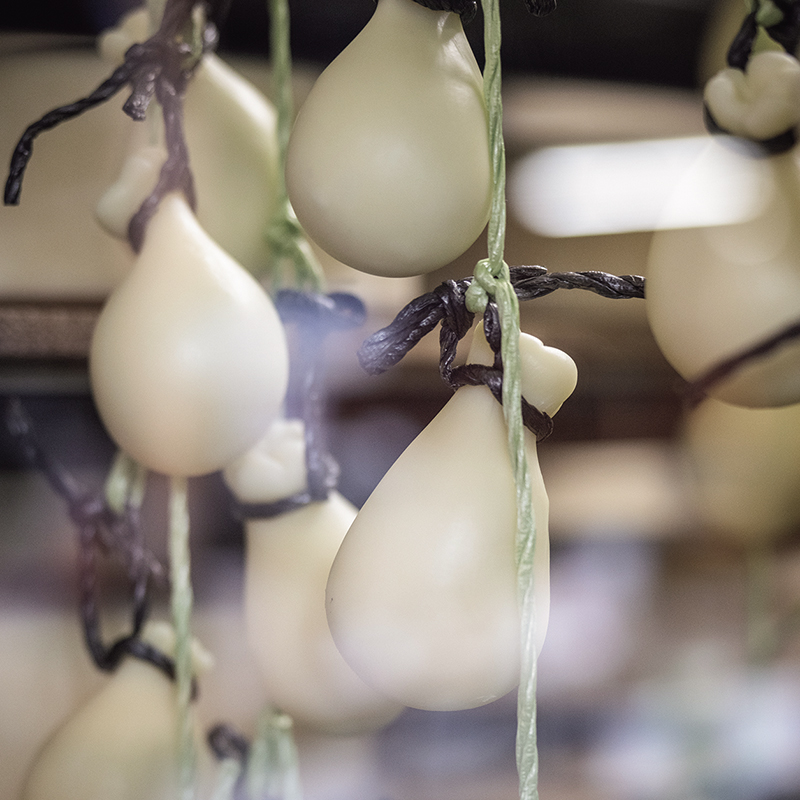
“A staring contest with aged cheese and deliciousness at the cheese workshop. Just by looking at them, the rich flavor of the cheese felt as if it were welling up in my mouth.”
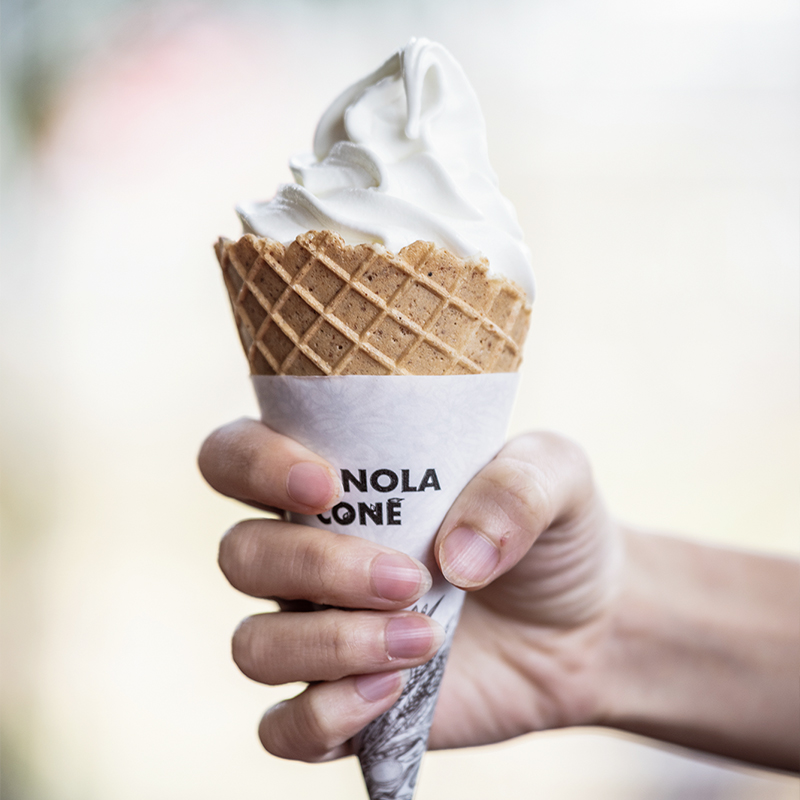
“ASO MILK” soft-serve ice cream to enjoy at the cafe (450 yen, tax included)
Rich and refreshing, it is delicious right down to the very last bite. It is recommended for the upcoming season.
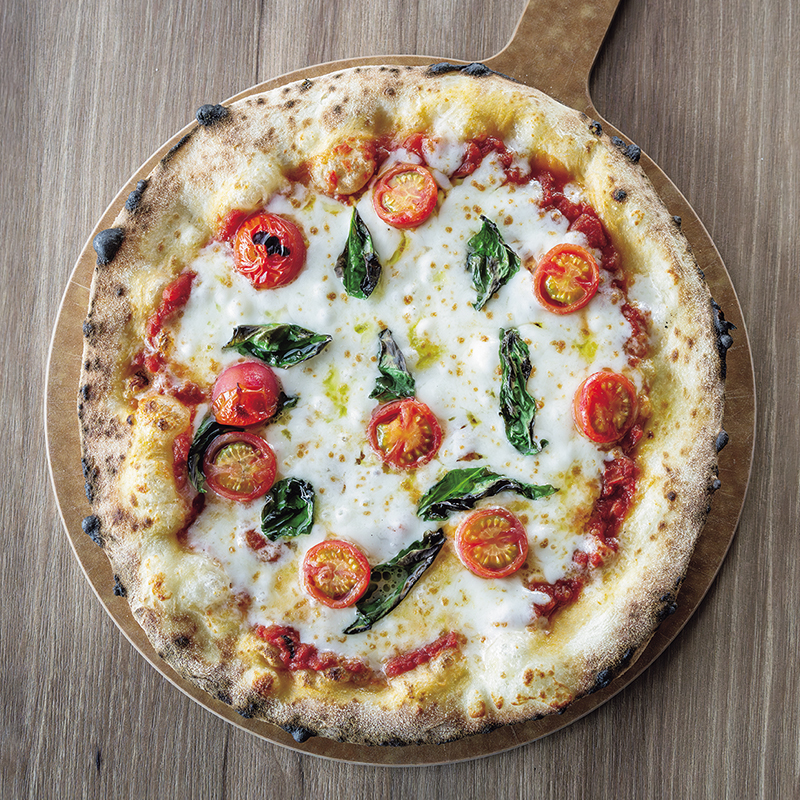
Margherita to enjoy at the restaurant (1,800 yen, tax included)
The combination of freshly made, piping hot dough and the wonderfully stretchy “ASO MILK” mozzarella cheese is irresistible.From the cheese-topped hamburger steak to “ASO MILK” gelato, the menu is filled with items you will want to try in their entirety.
ASO MILK The 6 Best Recommended Souvenirs
“The Pomodoro editorial team has picked out souvenirs that we tasted and found delicious. In addition to ‘ASO MILK FACTORY,’ they can also be purchased through online shopping. You can easily enjoy these carefully selected products, filled with dedication, at home.”
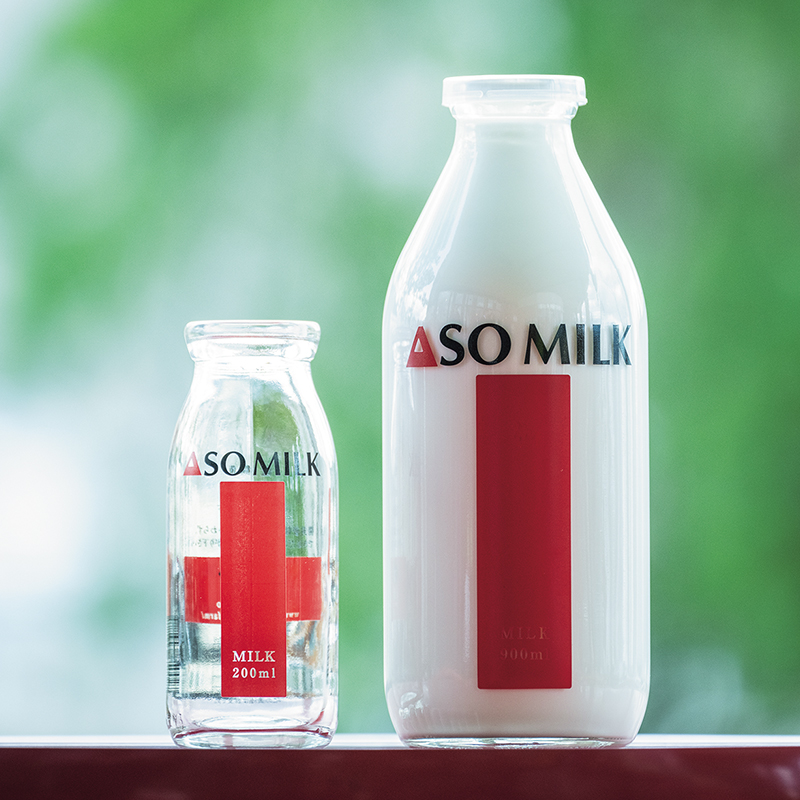
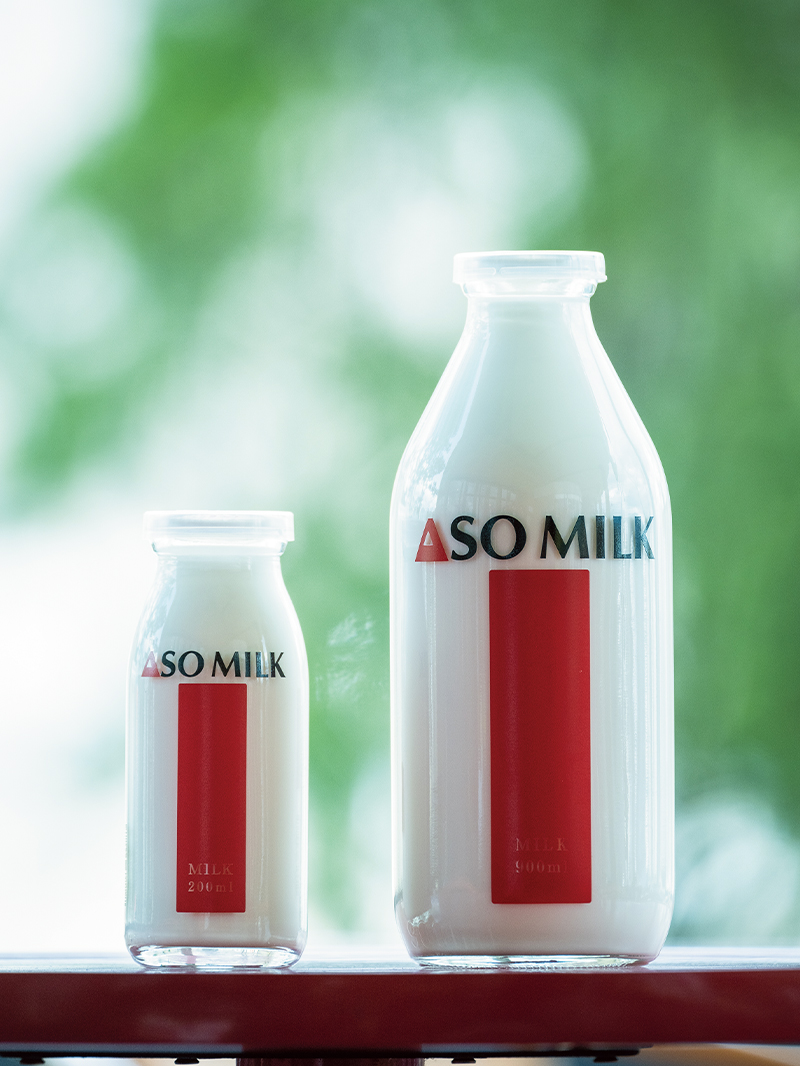
ASO MILK
800ml x 3-bottle set: 2,690 yen (tax included)
The flagship product, “ASO MILK.” A three-star flavor that prompted judges at the iTQi (International Taste Institute) to describe it as “the taste of real milk” and “delicate and creamy.”
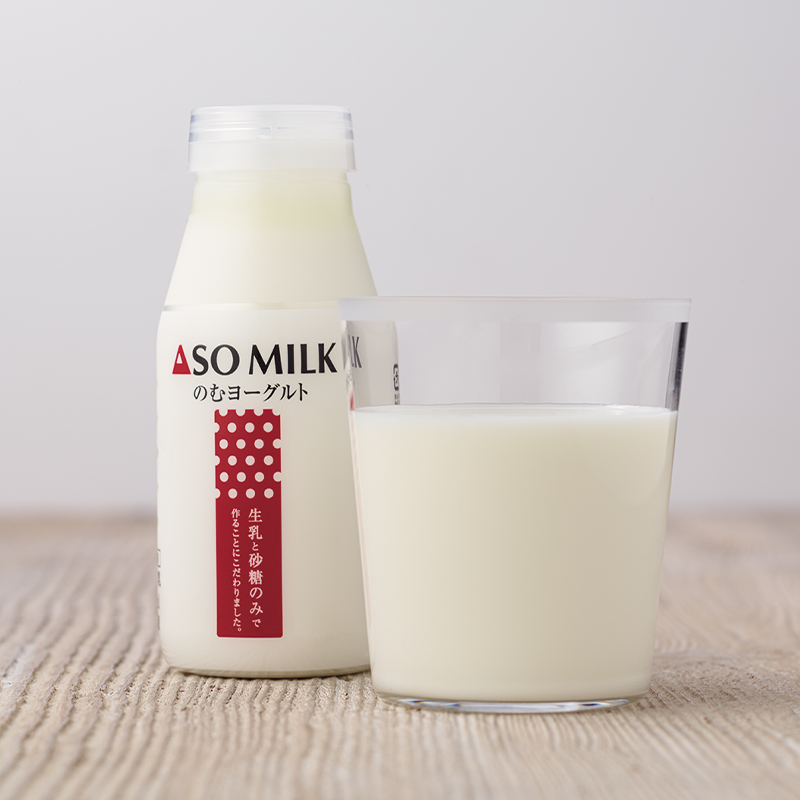
ASO MILK Drinkable Yogurt
200ml x 8-bottle set: 2,700 yen (tax included)
The three-star product, “ASO MILK Drinkable Yogurt.” After a subtle sweetness passes down your throat, a refreshing yogurt aroma spreads throughout your mouth.
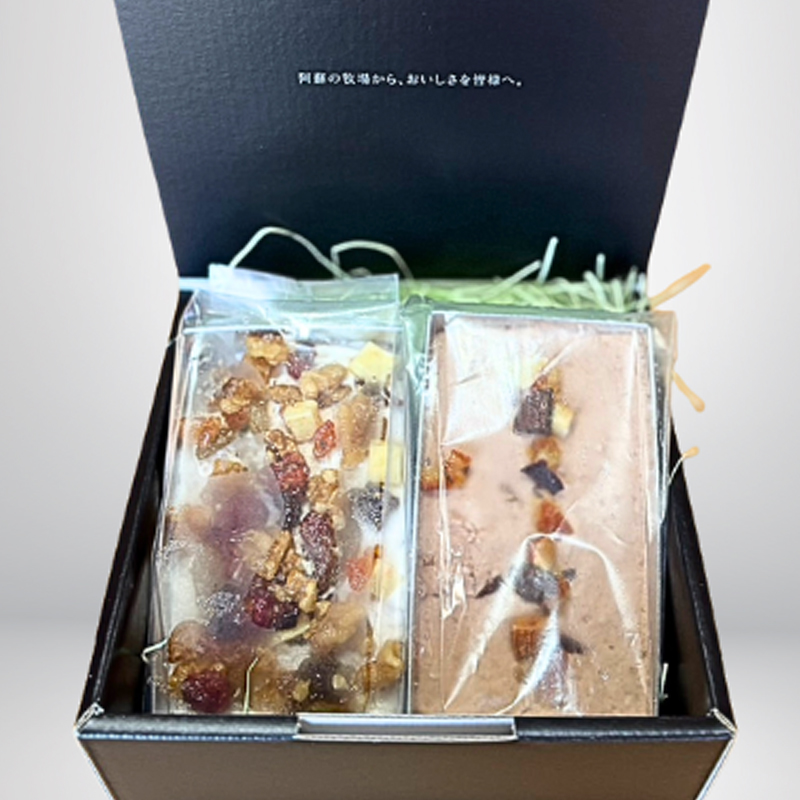
ASO MILK Cassata
Set of 2: 3,000 yen (tax included)
A cassata based on handmade ricotta cheese. An ice cake originating from the island of Sicily, it features the delicious textures of nuts and dried fruit.
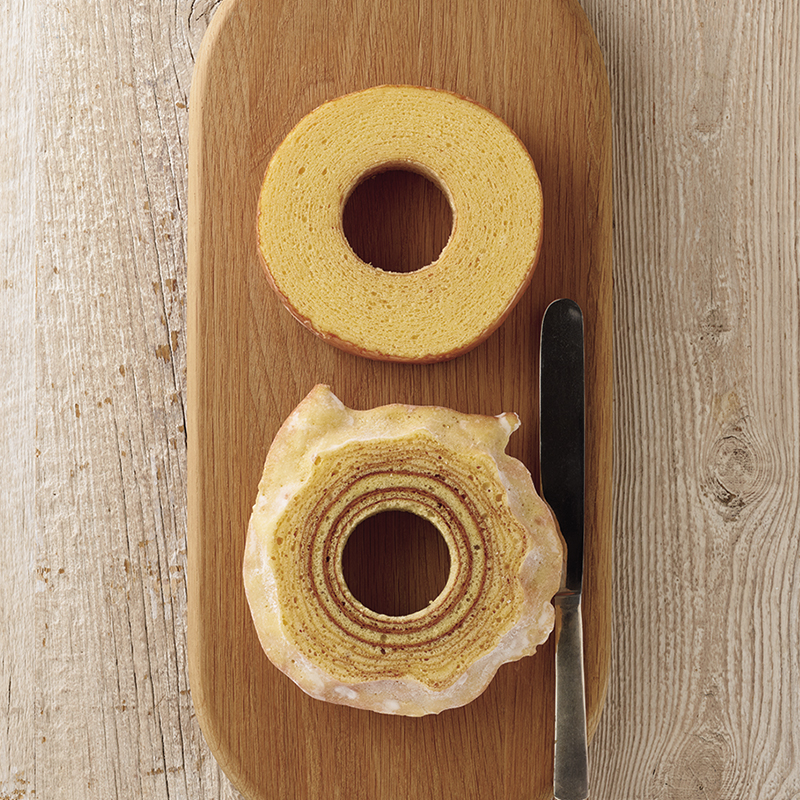
ASO MILKUCHEN Hard & Soft
3,500 yen (tax included)
Baumkuchen made using ASO MILK. The soft type has a gentle flavor brimming with milkiness. The hard type is a rich dessert with a crisp exterior and a succulent interior.
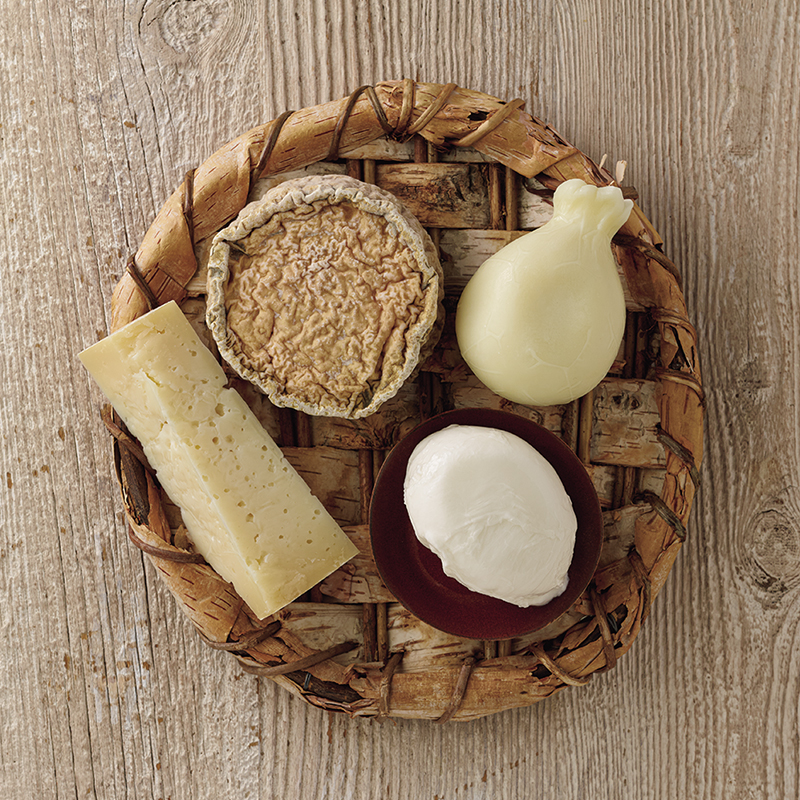
Abe Farm’s Recommended Cheese Set: Washed-rind 4,010 yen (tax included)
A set of mozzarella, cacio, semi-hard, and washed-rind cheese. For appetizers, for salads—a luxurious taste that makes your daily dining table a little more grand.
These products can be purchased at the Abe Farm online shop and the following stores listed below.
■ Online Shop:https://asomilk.com/
■ Aso Area: Aso Farm Land, Asobounosato Kugino, Michi-no-Eki Aso (Roadside Station Aso)
■ Kumamoto City: Tsuruya Department Store, Foody One
■ Other Locations in Kumamoto Prefecture: Amu Plaza Kumamoto, Kumamoto Station, Kumamoto Airport
■ Tokyo: Nihombashi Takashimaya